Yazd is best explored slowly. Its Old City, sacred Zoroastrian sites, historic mosques, windcatcher-filled skyline, and traditional gardens offer a layered view of Iranian history and architecture.
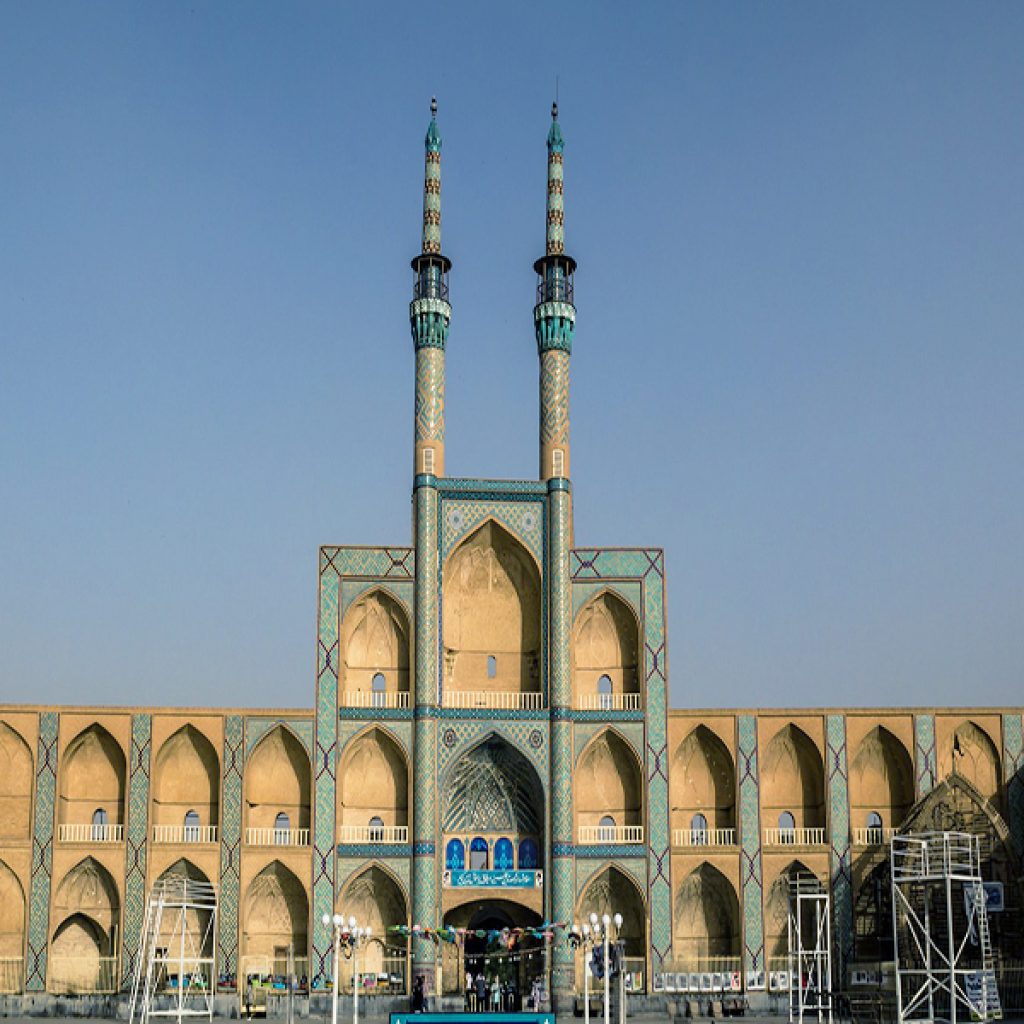
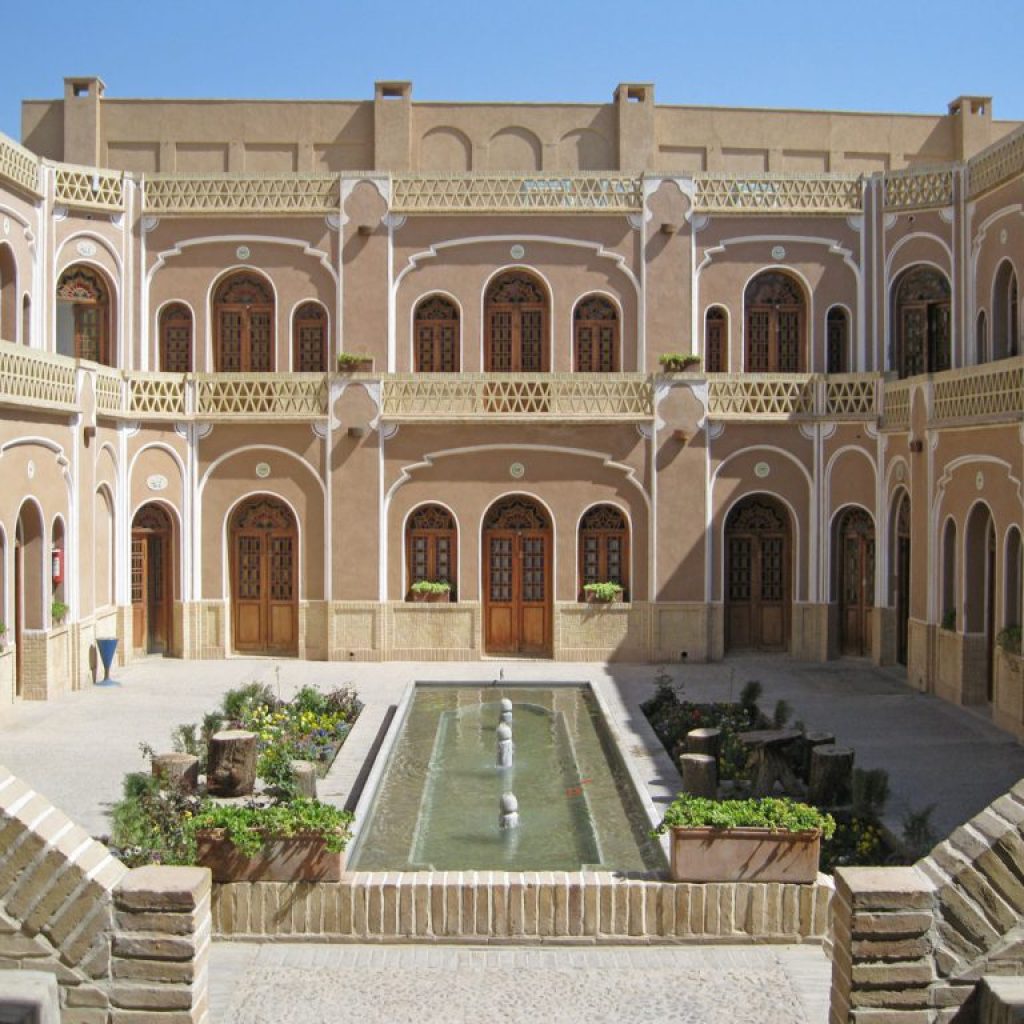
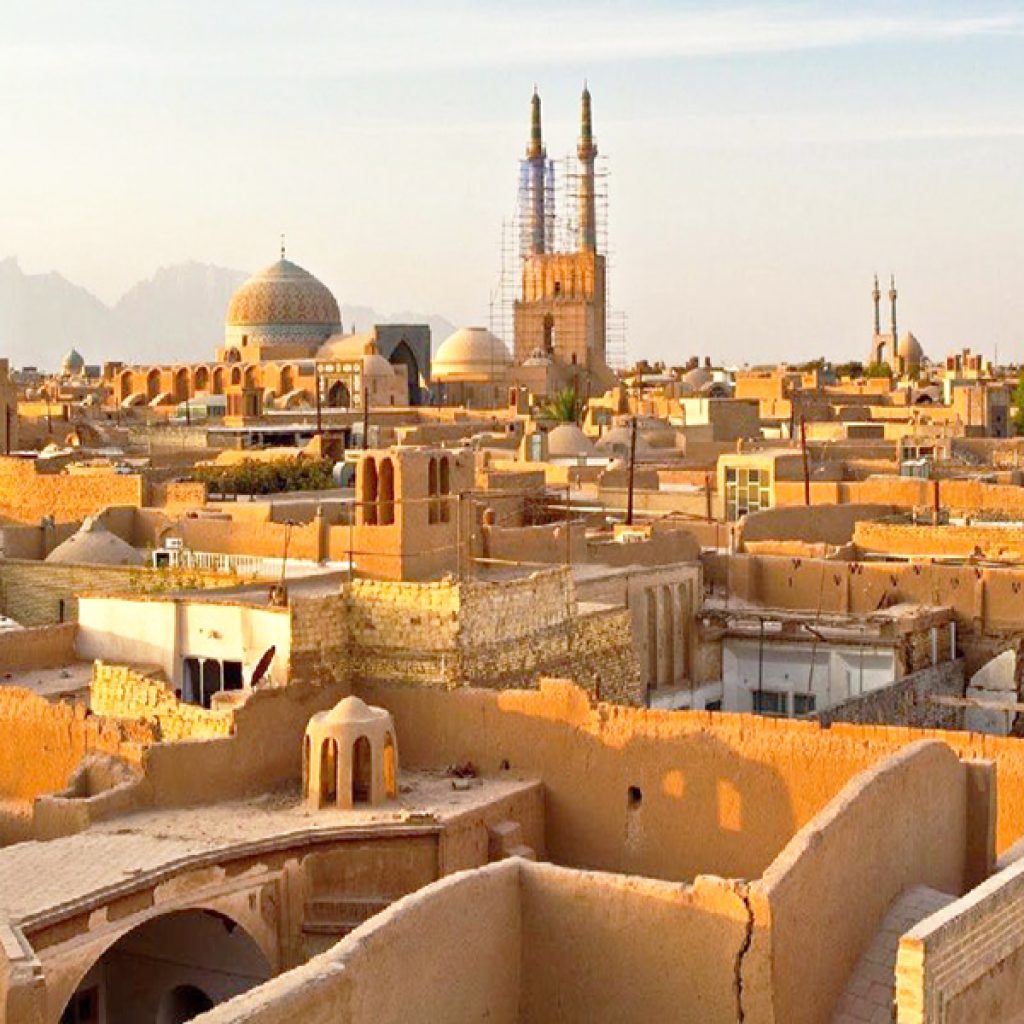
The Historic City of Yazd (Old City): Recognized by UNESCO, the Historic City of Yazd is one of the largest surviving adobe cities in the world. Its narrow alleys were designed to provide shade, reduce wind, and create natural cooling. The skyline, marked by windcatchers, reflects a city built in harmony with its environment.
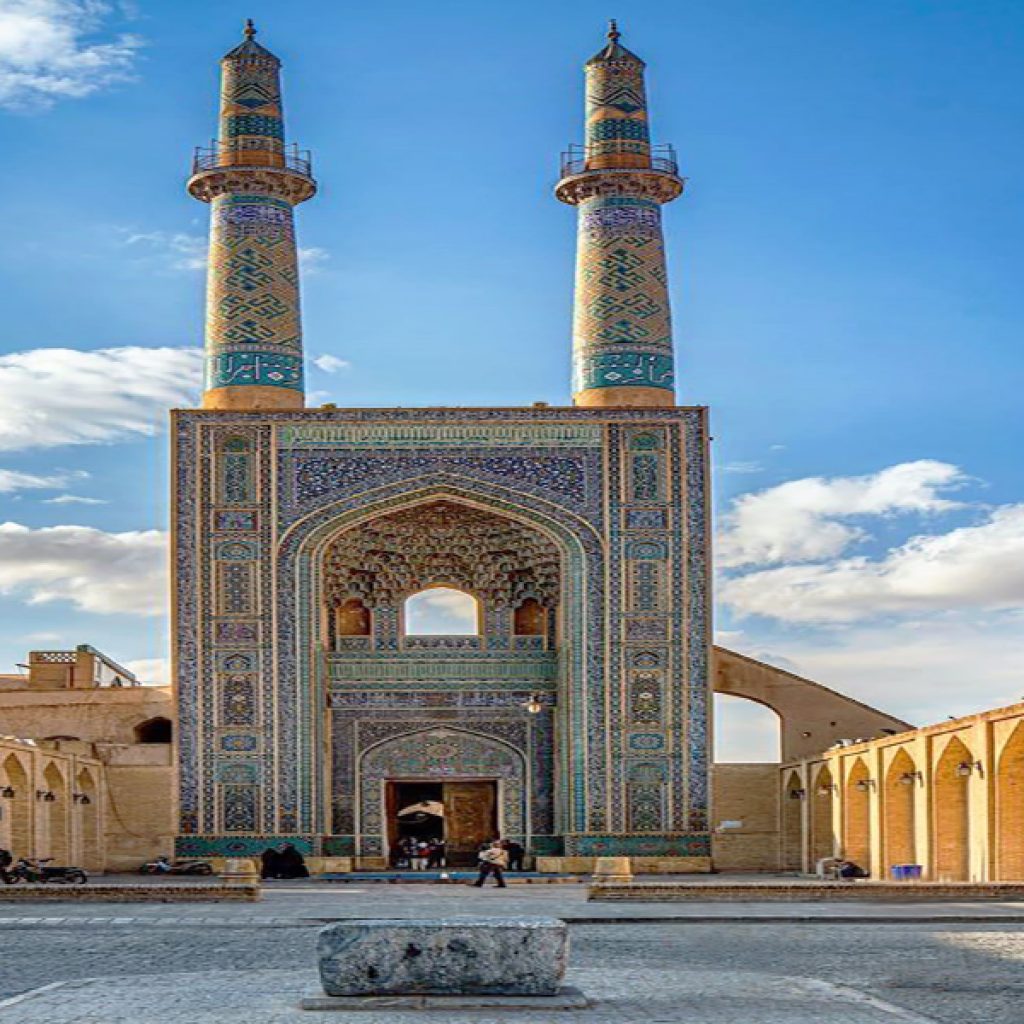
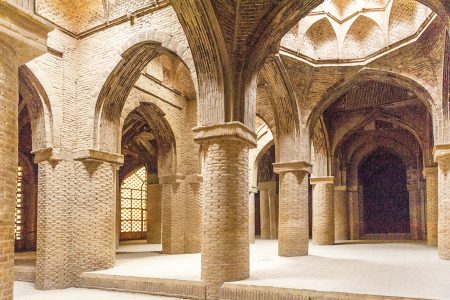
Jameh Mosque of Yazd: Dating mainly to the 14th century, this mosque is a striking example of Persian Islamic architecture. Its tall twin minarets rise above the city, and its detailed tilework reflects centuries of artistic refinement.
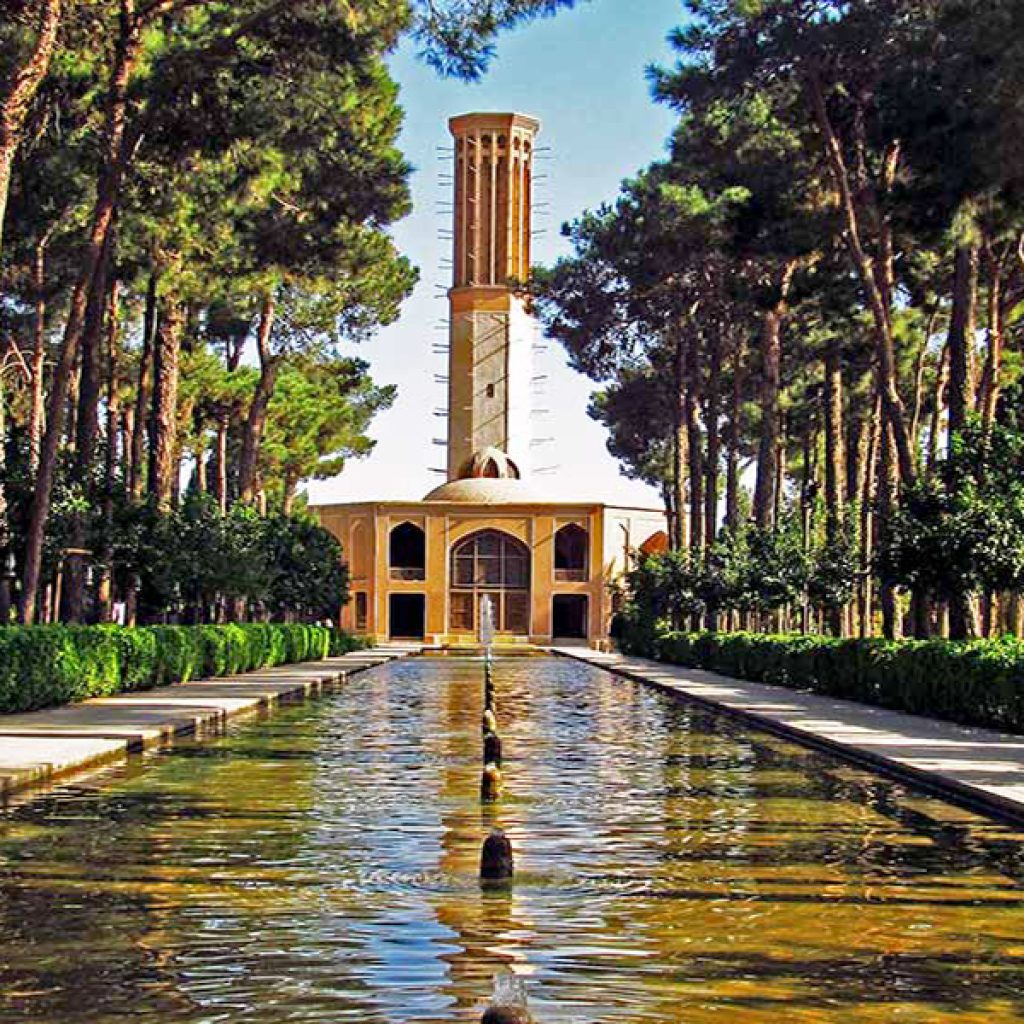
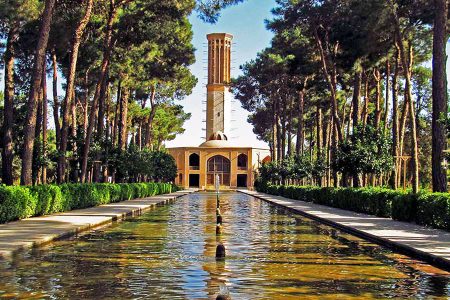
Dolat Abad Garden: Built in the 18th century, Dolat Abad Garden is known for its elegant pavilion and the tallest windcatcher in Iran. The garden is also part of the UNESCO-listed Persian Gardens, representing the balance between architecture, water, and nature in traditional Iranian design.
Yazd Water Museum: This museum explains how qanats- underground water channels- supplied the city with water for centuries. Through documents and exhibits, visitors can better understand how essential water engineering was for survival in the desert.
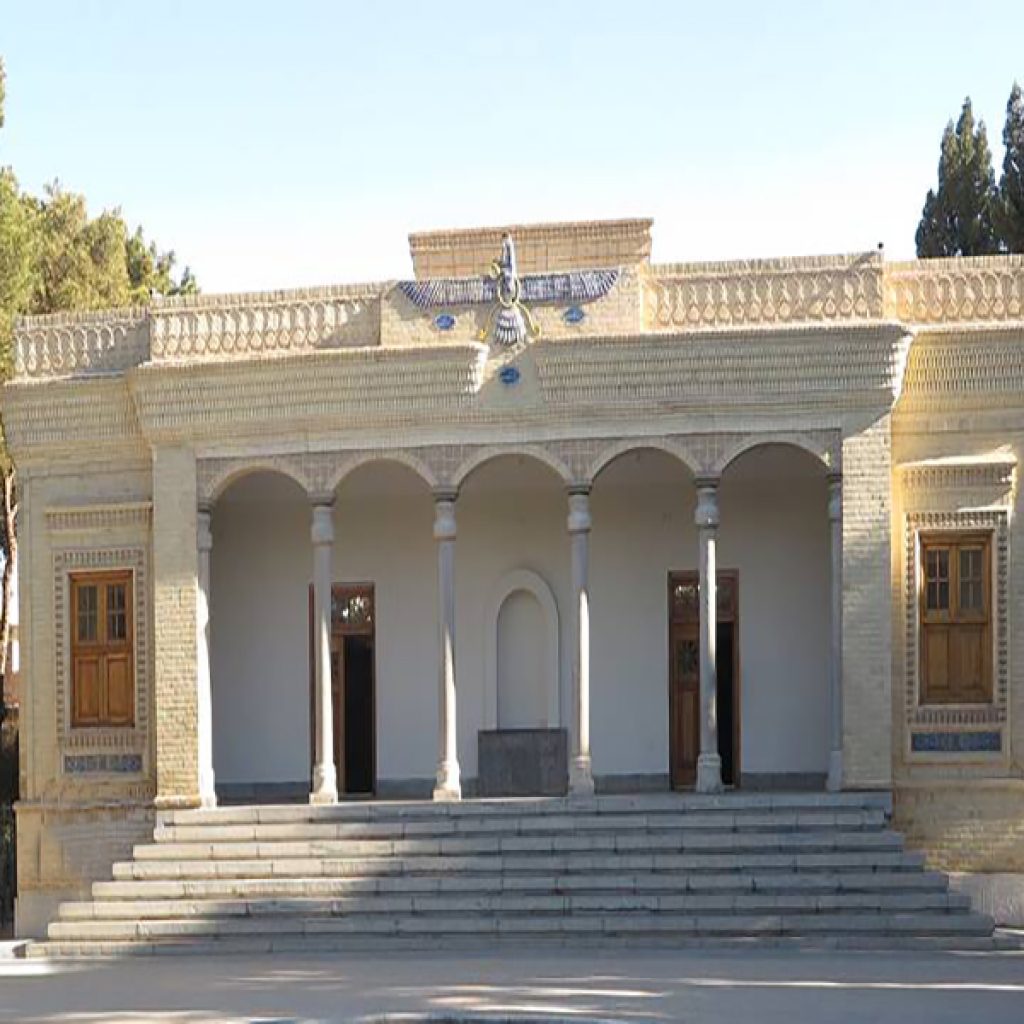
Yazd Atash Behram: Often called the Yazd Zoroastrian Fire Temple, this site remains an important spiritual center. The sacred fire housed here is deeply meaningful for Zoroastrians and symbolizes continuity and faith.
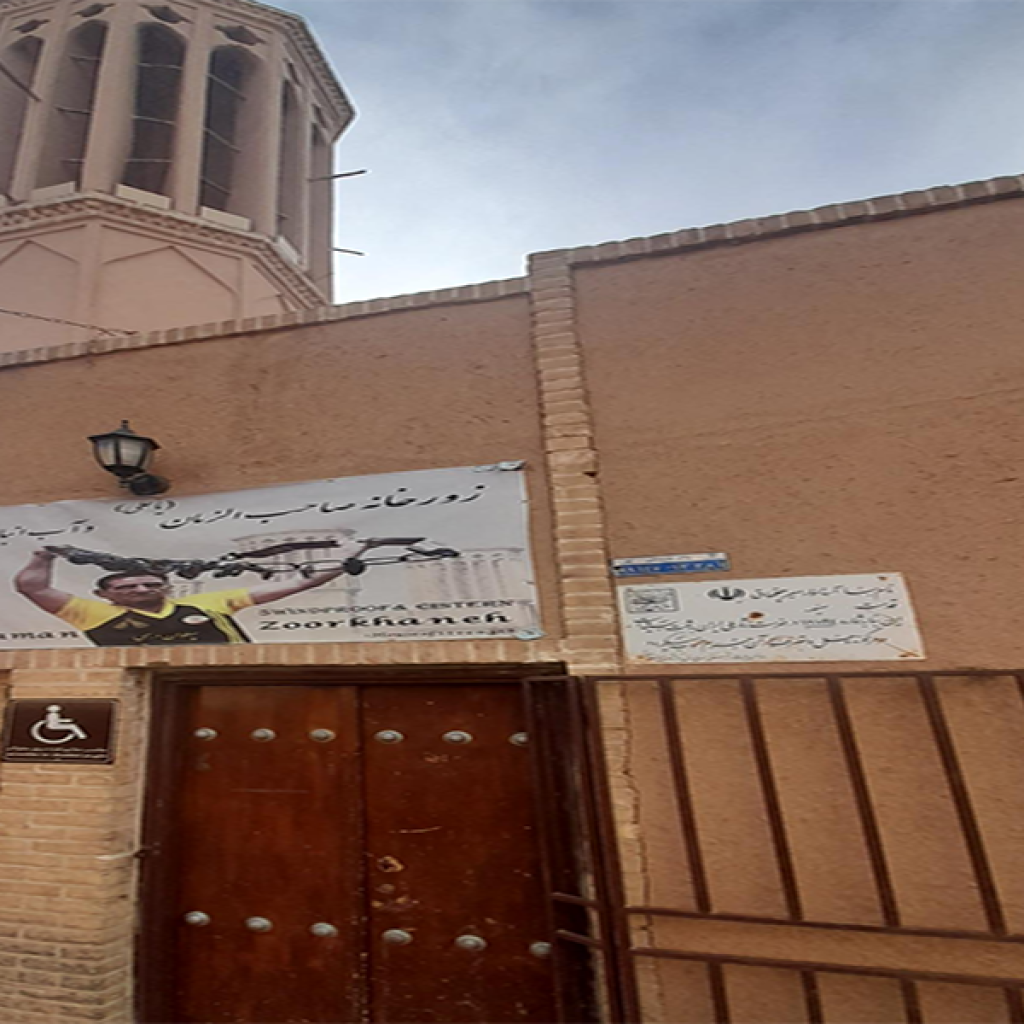
Saheb-al Zaman Zurkhaneh: Located in the Old City, this traditional zurkhaneh offers visitors the chance to observe ancient Persian athletic rituals- a blend of strength training, music, poetry, and spiritual practice.
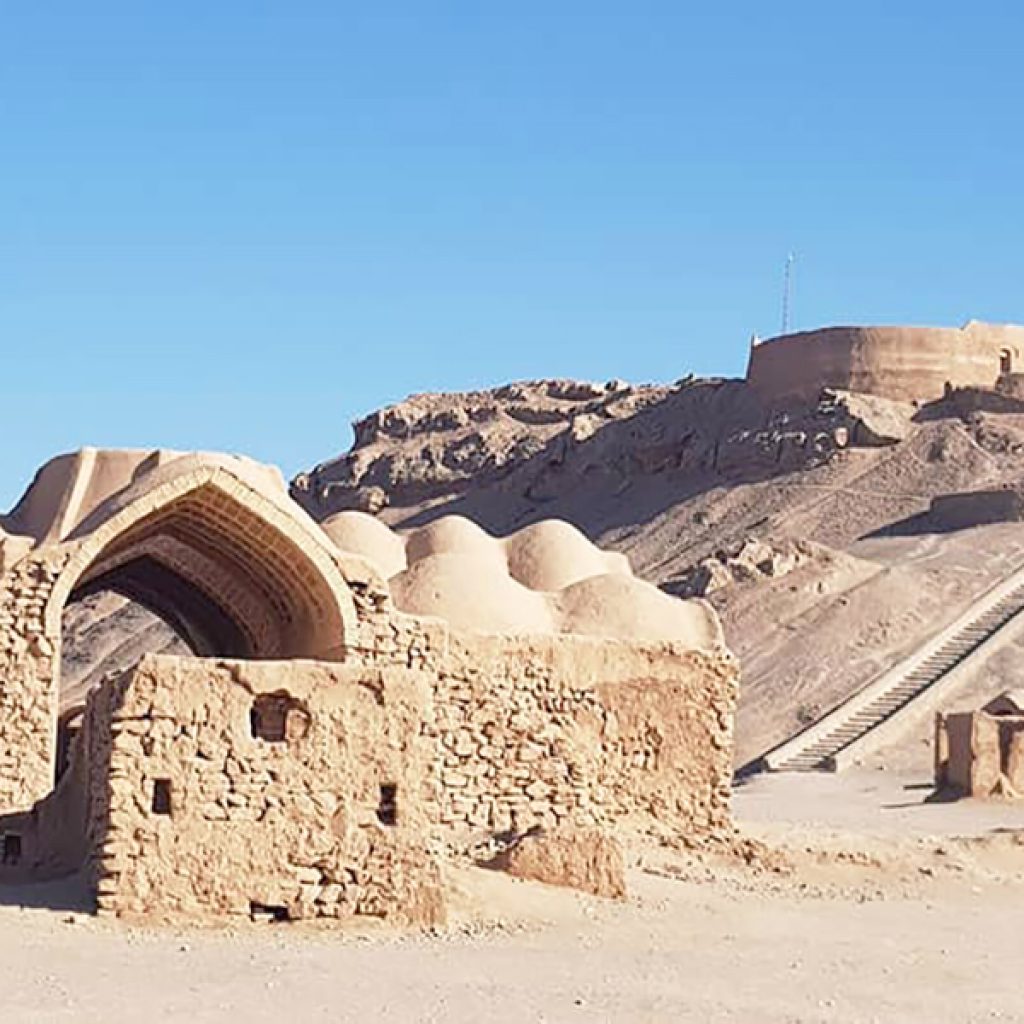
Towers of Silence: These circular hilltop structures were once used in Zoroastrian funerary practices. Today, they stand as quiet reminders of ancient beliefs about life and death.
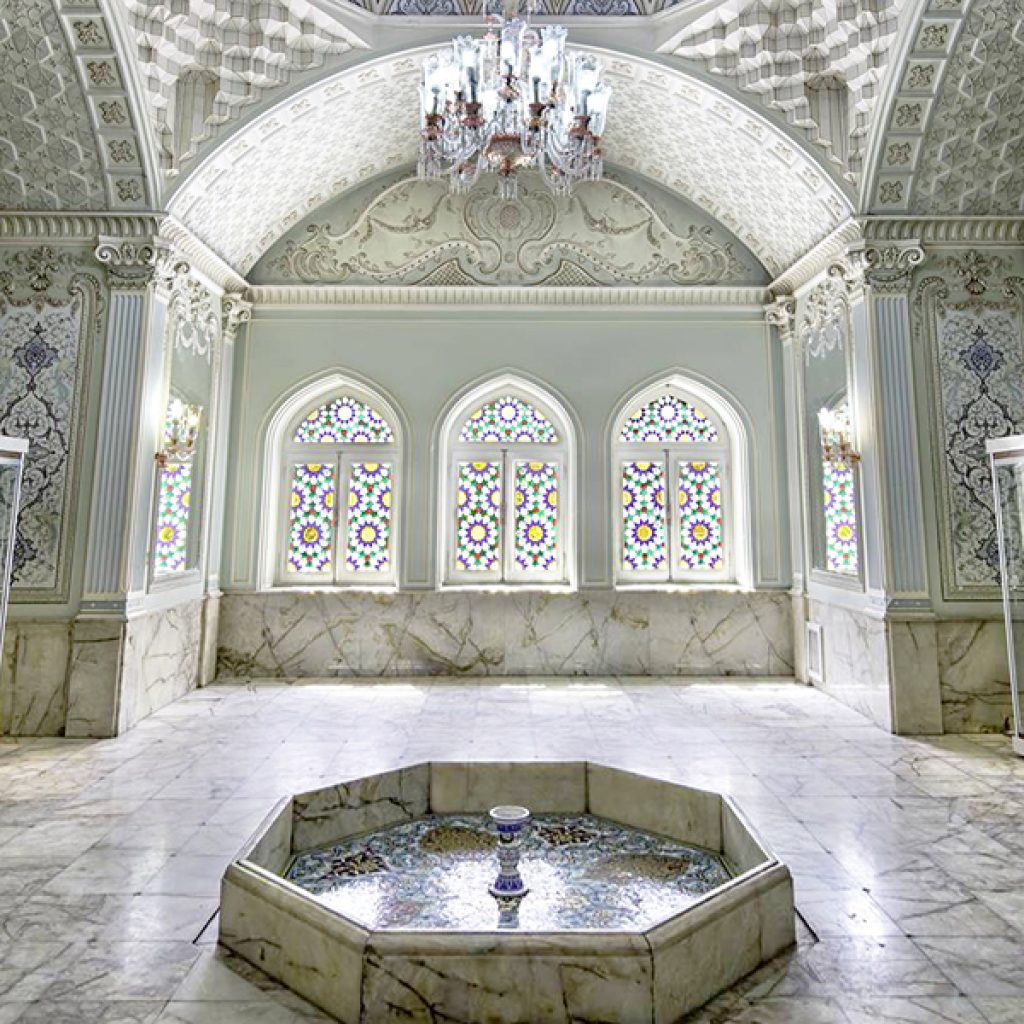
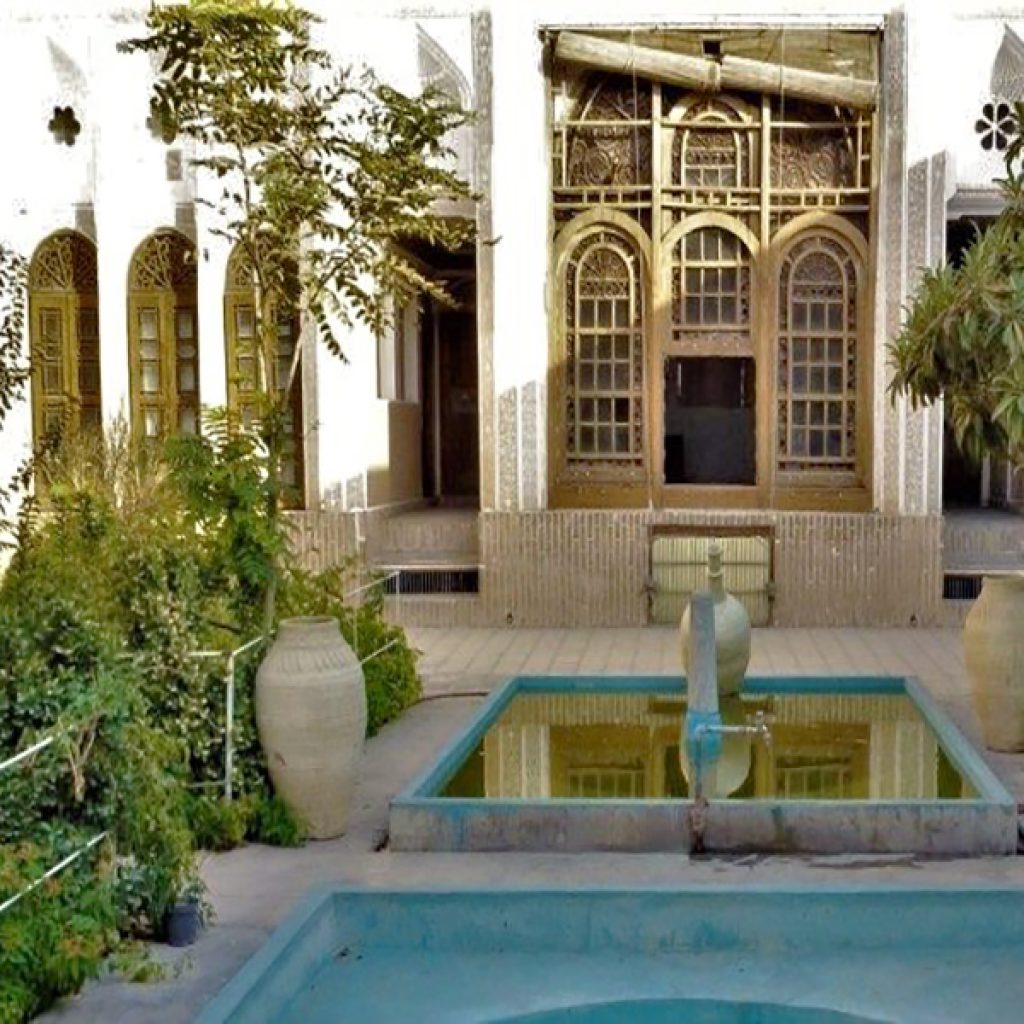
Museum of Mirrors and Lighting: Set inside a beautiful early 20th-century mansion, this museum displays intricate Iranian mirror work and historical lighting objects, reflecting the decorative arts of the Qajar period.
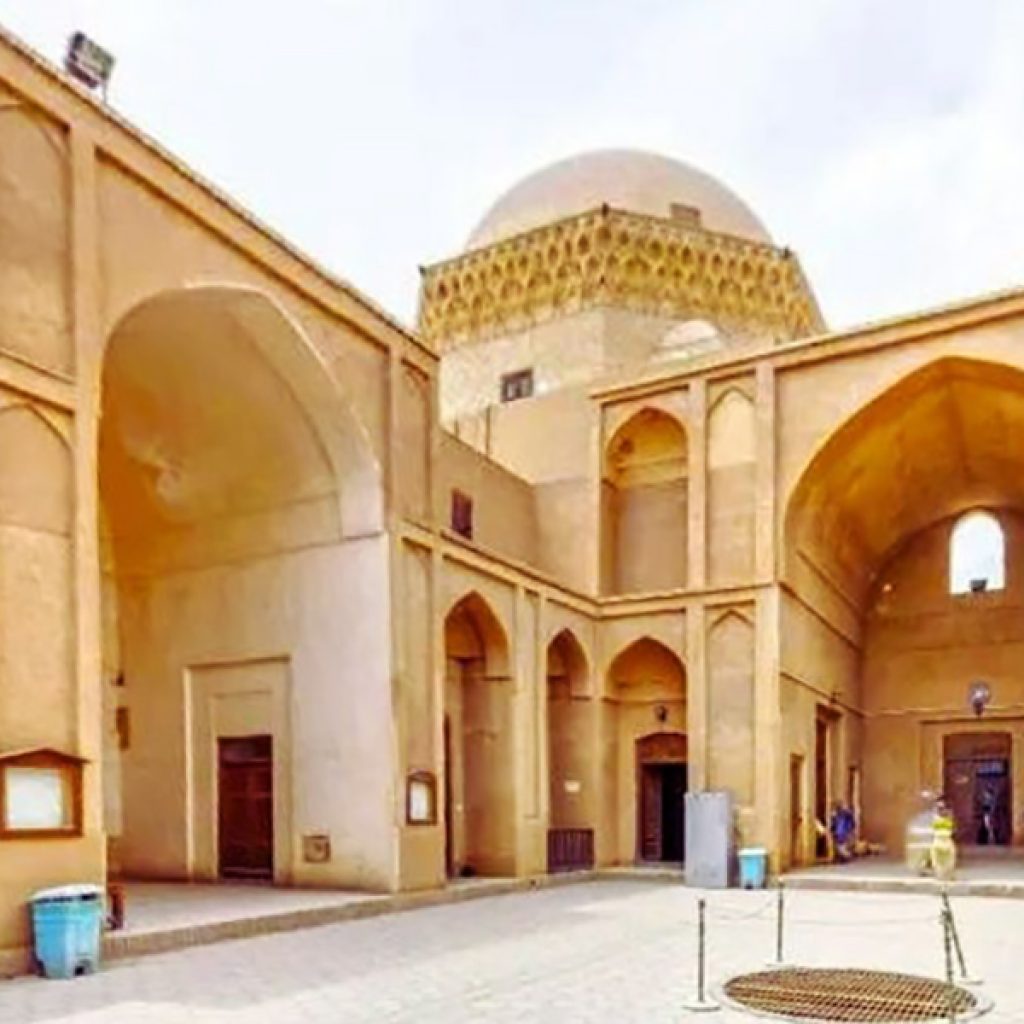
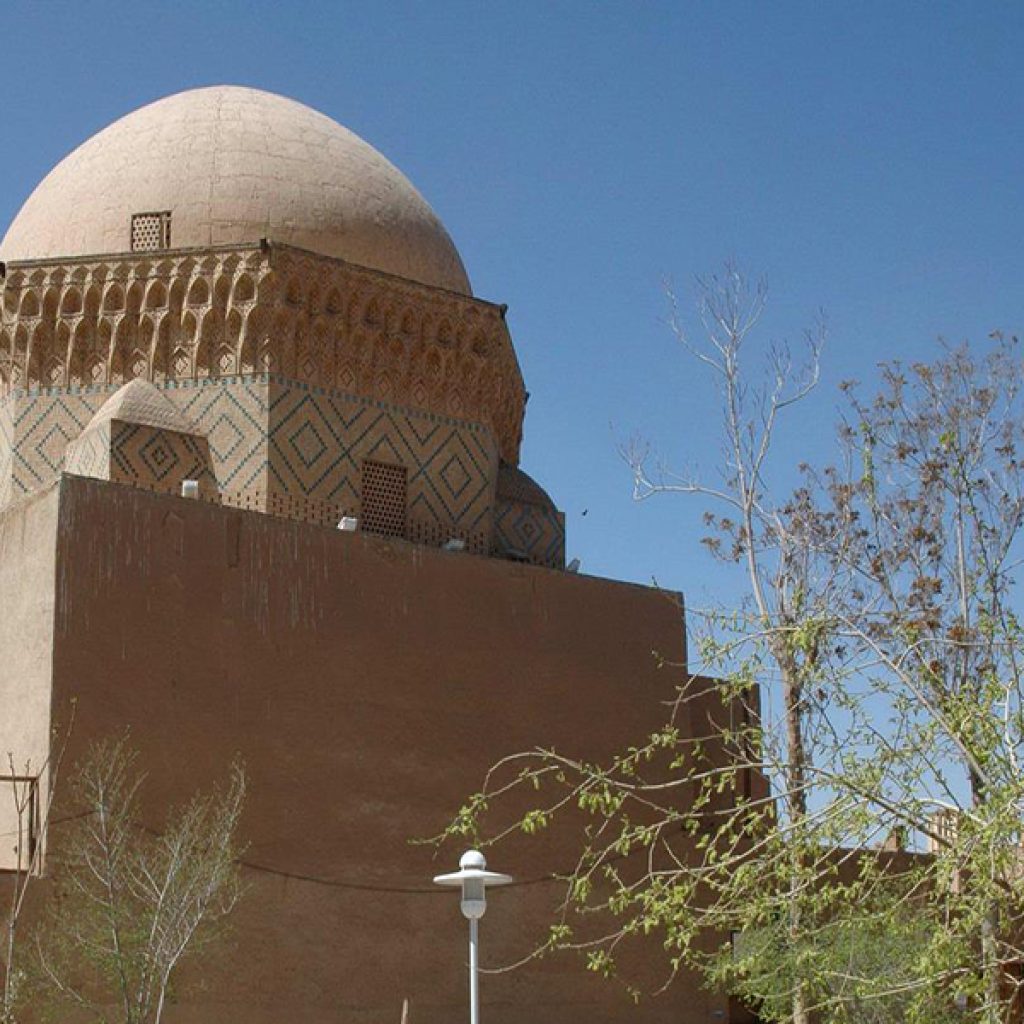
Alexandr’s Prison: Despite its name, Alexander’s Prison was not a prison but a 15th-century Timurid-era theological school. Its simple courtyard and dome make it an interesting stop while exploring the Old City.
If you’re planning to explore central Iran, Yazd offers a different rhythm- slower, deeper, and rooted in centuries of history. Our guided tours help you experience not only the landmarks, but the stories behind them.