Yazd is best explored at a relaxed pace. Its historic city, Zoroastrian heritage, mosques, traditional gardens, and water-related museums offer different perspectives on the region’s history, architecture, and way of life.
The Historic City of Yazd (Old City)
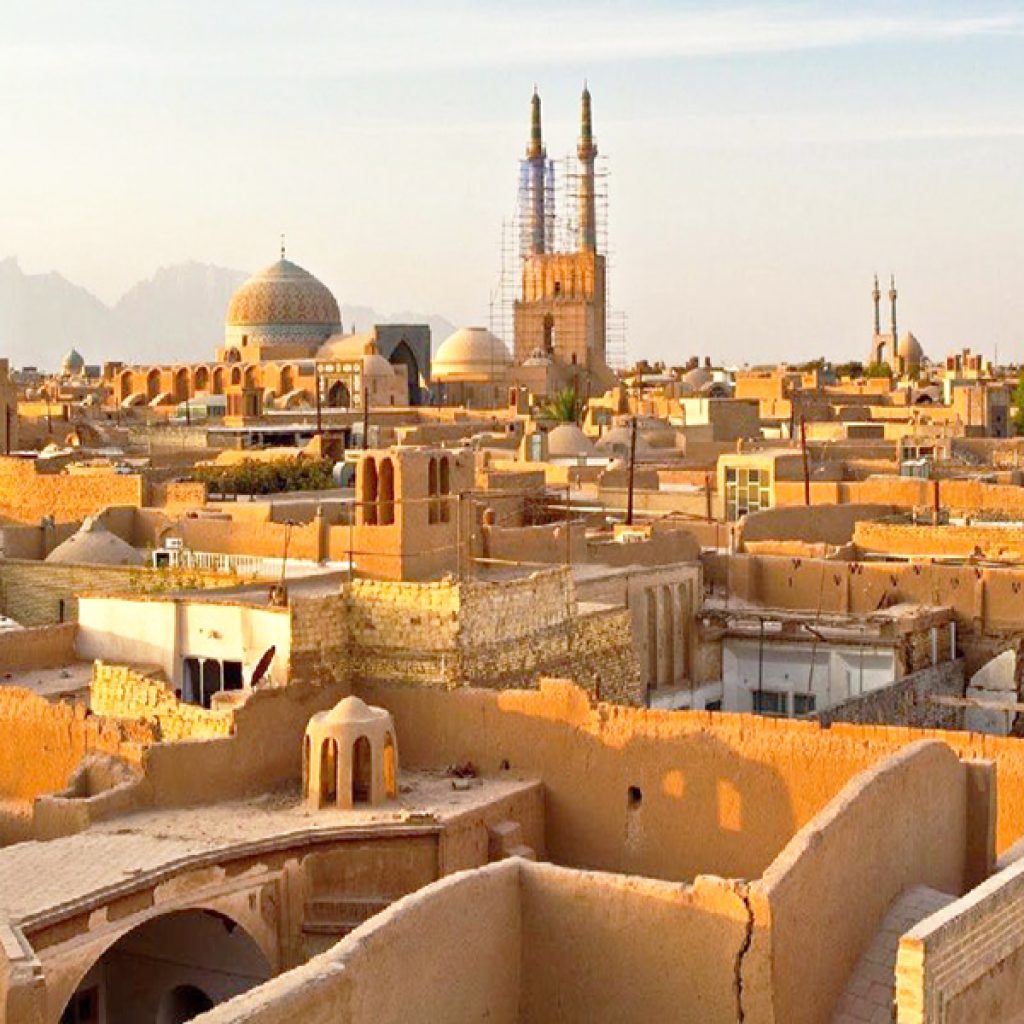
UNESCO recognizes the Historic City of Yazd for its distinctive earthen architecture and traditional urban planning. Narrow lanes, partially covered passages, courtyards, and buildings made from earth create a built environment adapted to the hot, dry climate. Windcatchers rising above rooftops are among the city’s most recognizable features.
Jameh Mosque of Yazd
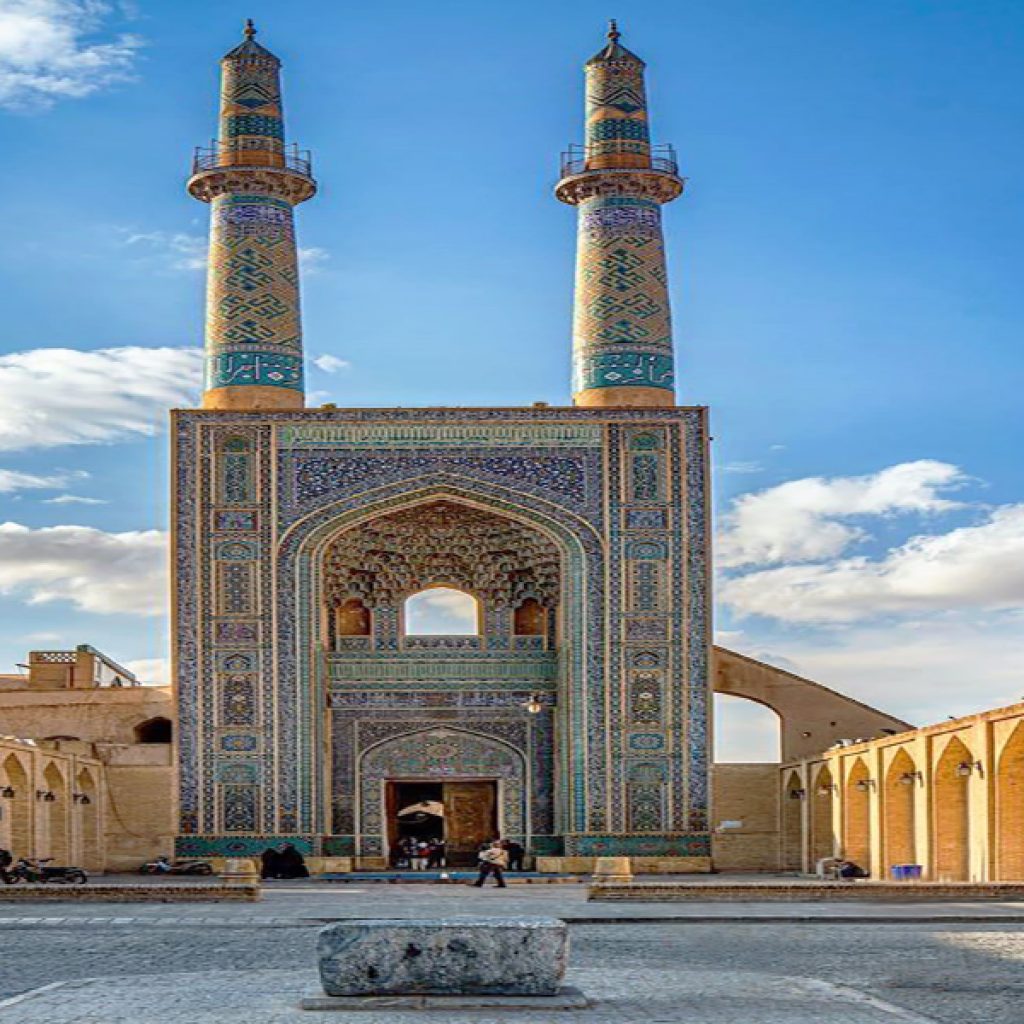
The Jameh Mosque of Yazd developed through several phases of construction. An earlier mosque stood on the site by the 12th century, while significant additions and decorative work followed in later centuries, particularly during the 14th century. Its prominent minarets, monumental entrance, and intricate tilework make it one of the city’s best-known architectural landmarks.
Dolat Abad Garden
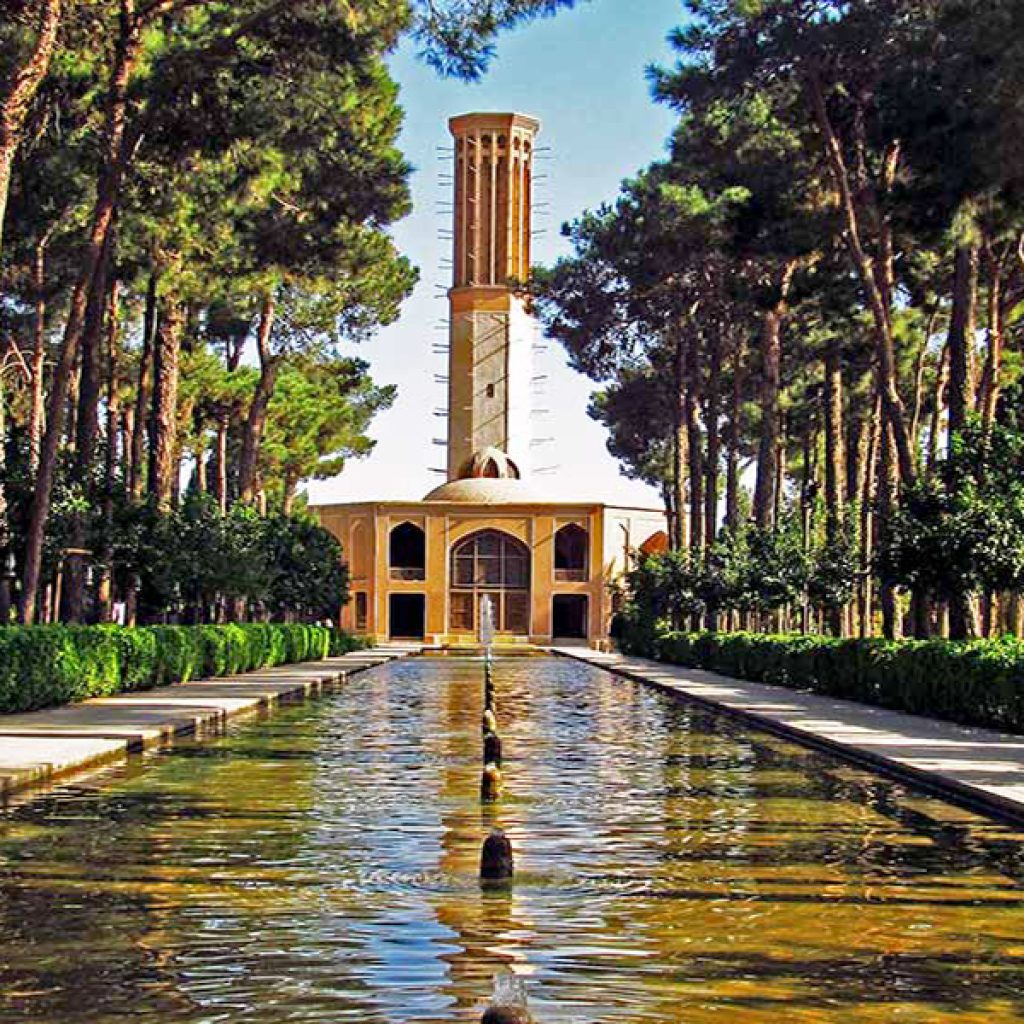
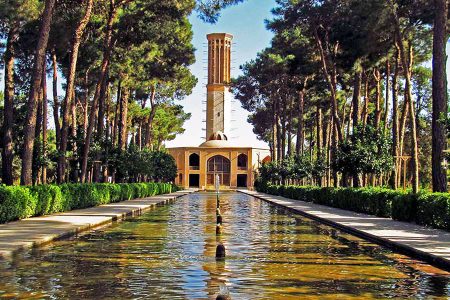
Dolat Abad Garden is a historic Persian garden dating to the 18th century. It is celebrated for its landscaped grounds, water features, elegant pavilion, and tall windcatcher, which is one of the garden’s most distinctive architectural elements. The garden is part of the UNESCO-listed property known as The Persian Garden, recognized for the design principles that connect water, vegetation, buildings, and enclosed spaces.
Yazd Water Museum
Located in a traditional historic house, the Yazd Water Museum introduces visitors to the techniques used to collect, store, and distribute water in an arid environment. Its displays help explain the role of qanats and traditional water-management systems in supporting communities across the region.
Yazd Atash Behram (Zoroastrian Fire Temple)
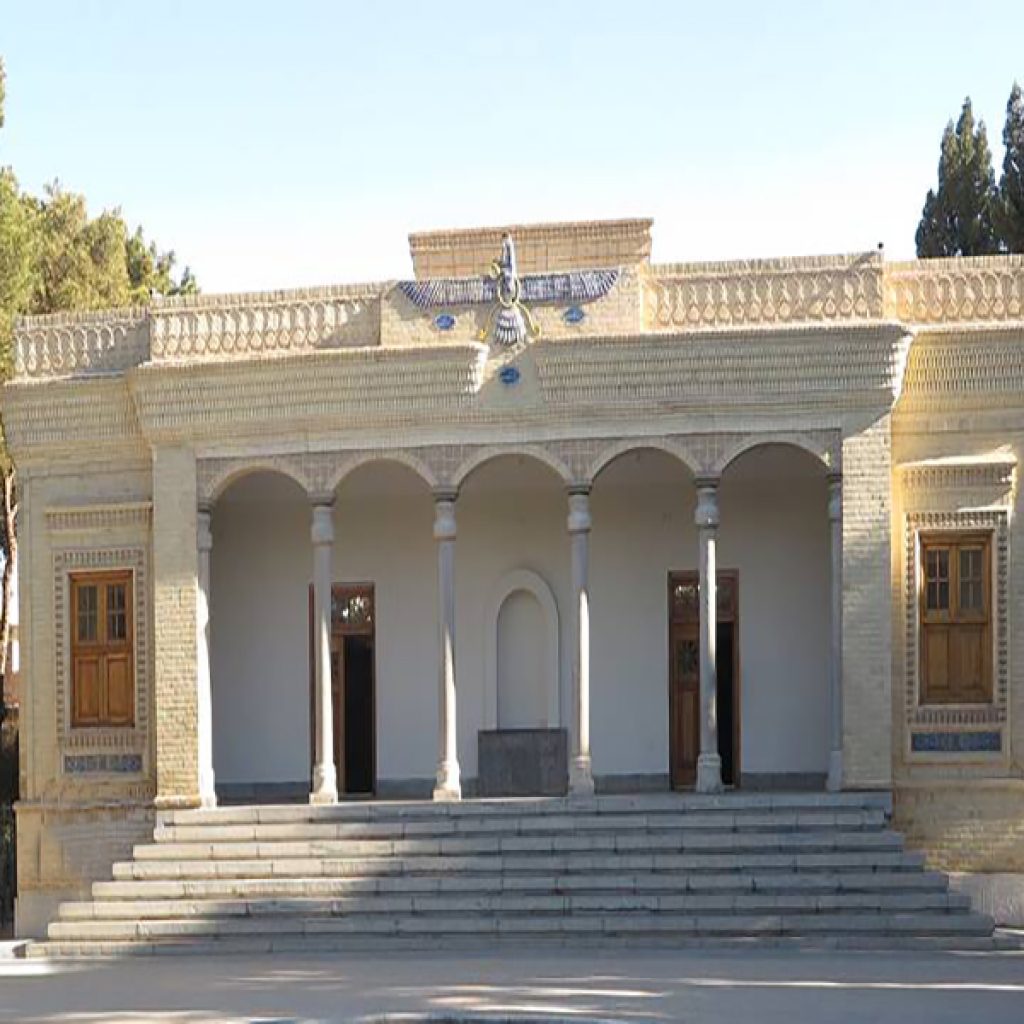
Yazd Atash Behram is an important place of worship for the city’s Zoroastrian community. The sacred fire held at the temple has deep religious significance. The site offers insight into the continuing presence of Zoroastrian traditions in Yazd and their place in the city’s cultural heritage.
Saheb al-Zaman Zurkhaneh
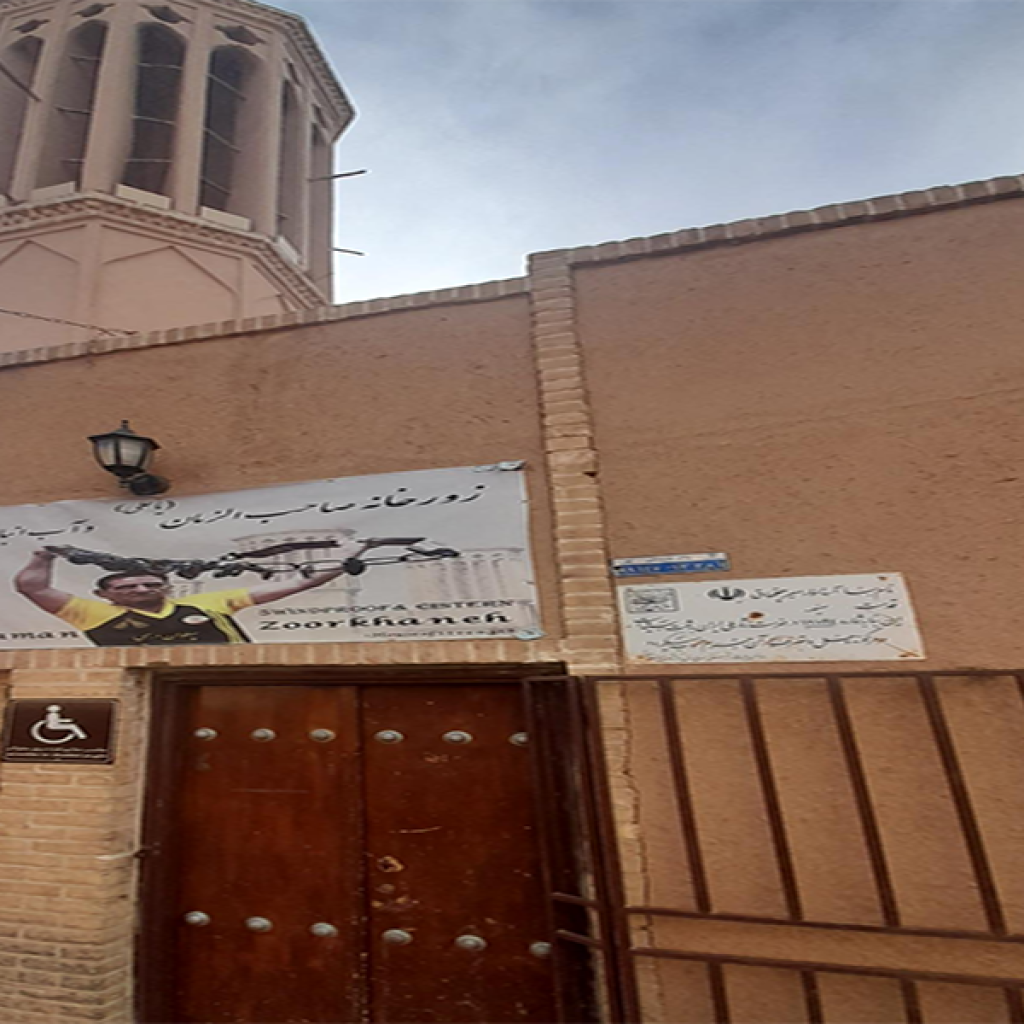
A zurkhaneh is a traditional Iranian athletic house where physical exercise is combined with music, poetry, and ritual practices. At Saheb al-Zaman Zurkhaneh, visitors may have the opportunity to observe this distinctive tradition, which connects physical training with values of discipline, respect, and community.
Towers of Silence
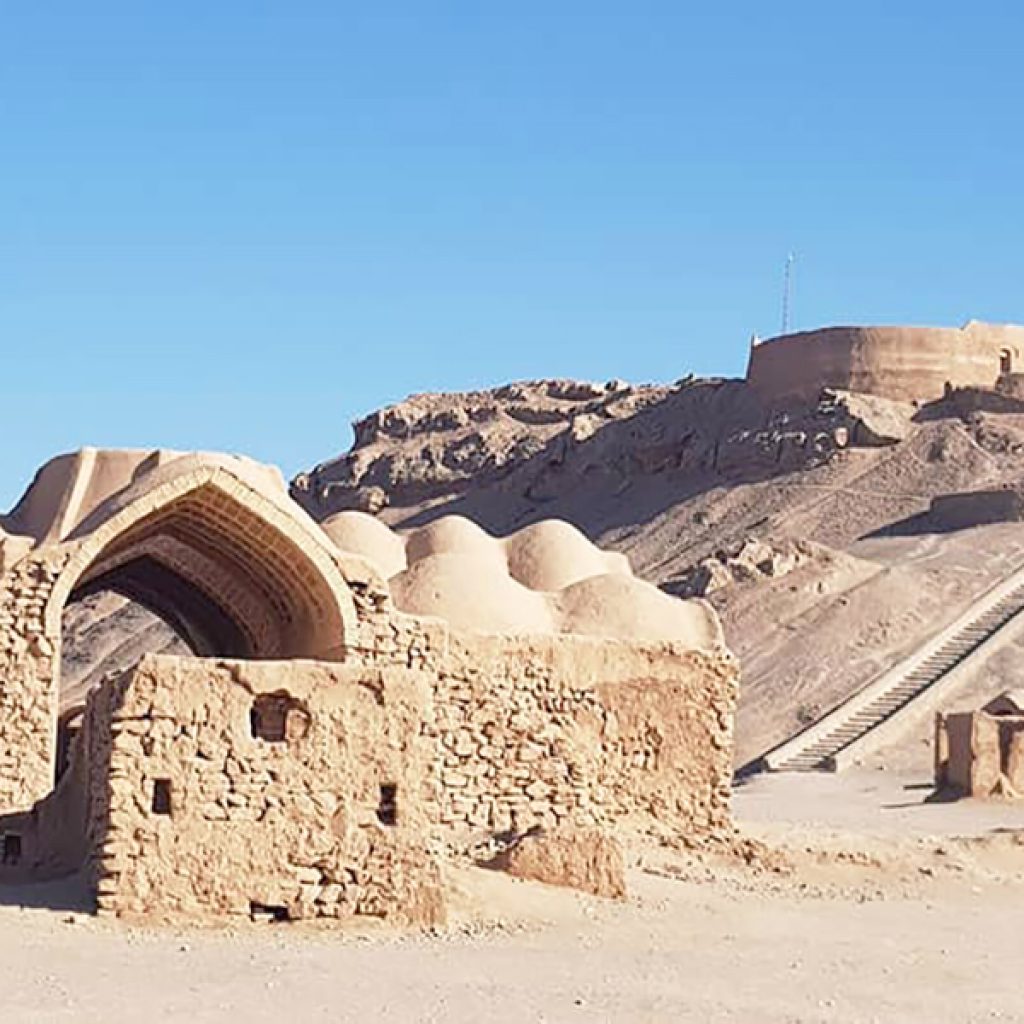
The Towers of Silence are circular structures associated with historical Zoroastrian funerary customs. Situated on elevated ground outside the historic center, they provide a view into religious practices that once formed an important part of the region’s cultural landscape.
Museum of Mirrors and Illumination
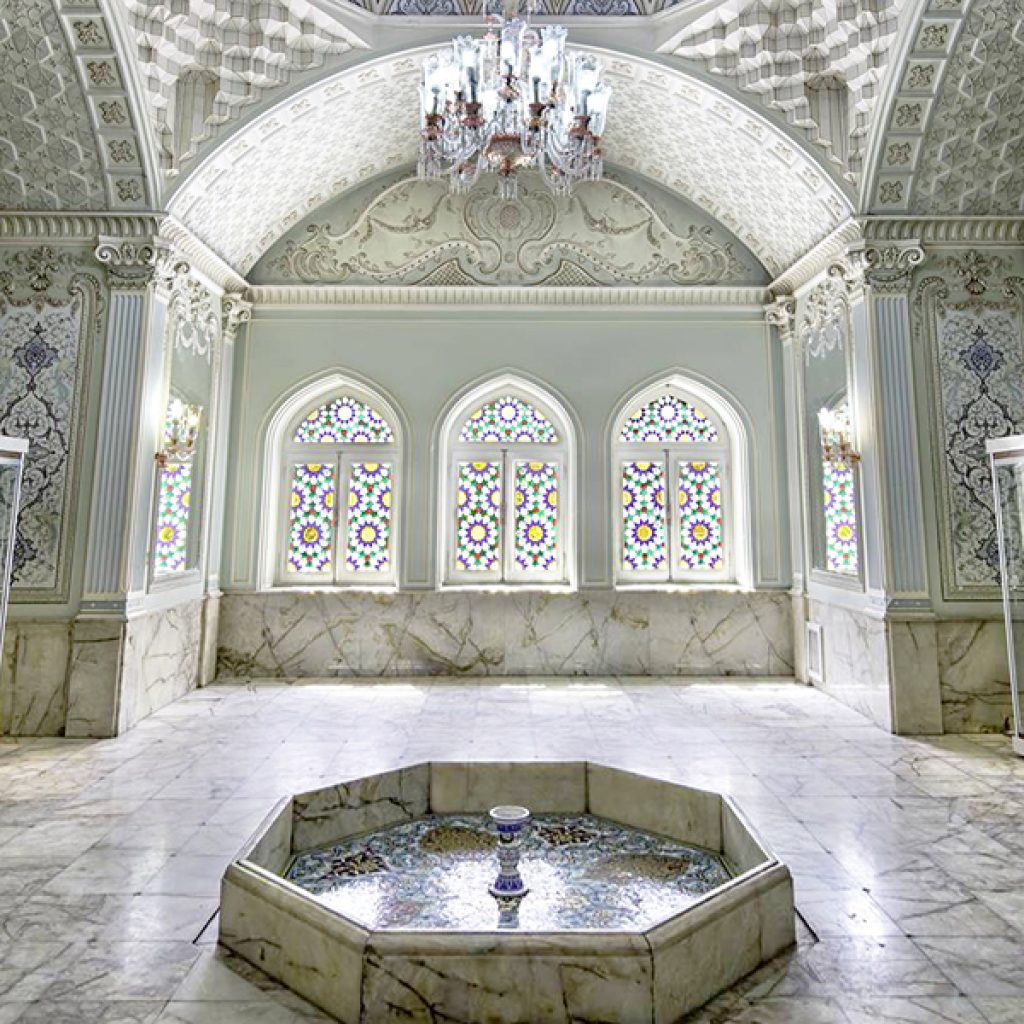
Housed in a historic mansion, the Museum of Mirrors and Illumination displays decorative mirror work, lighting objects, and examples of Iranian craftsmanship. The building and its collections offer a glimpse into the decorative arts and domestic culture of more recent historical periods.
Alexander’s Prison
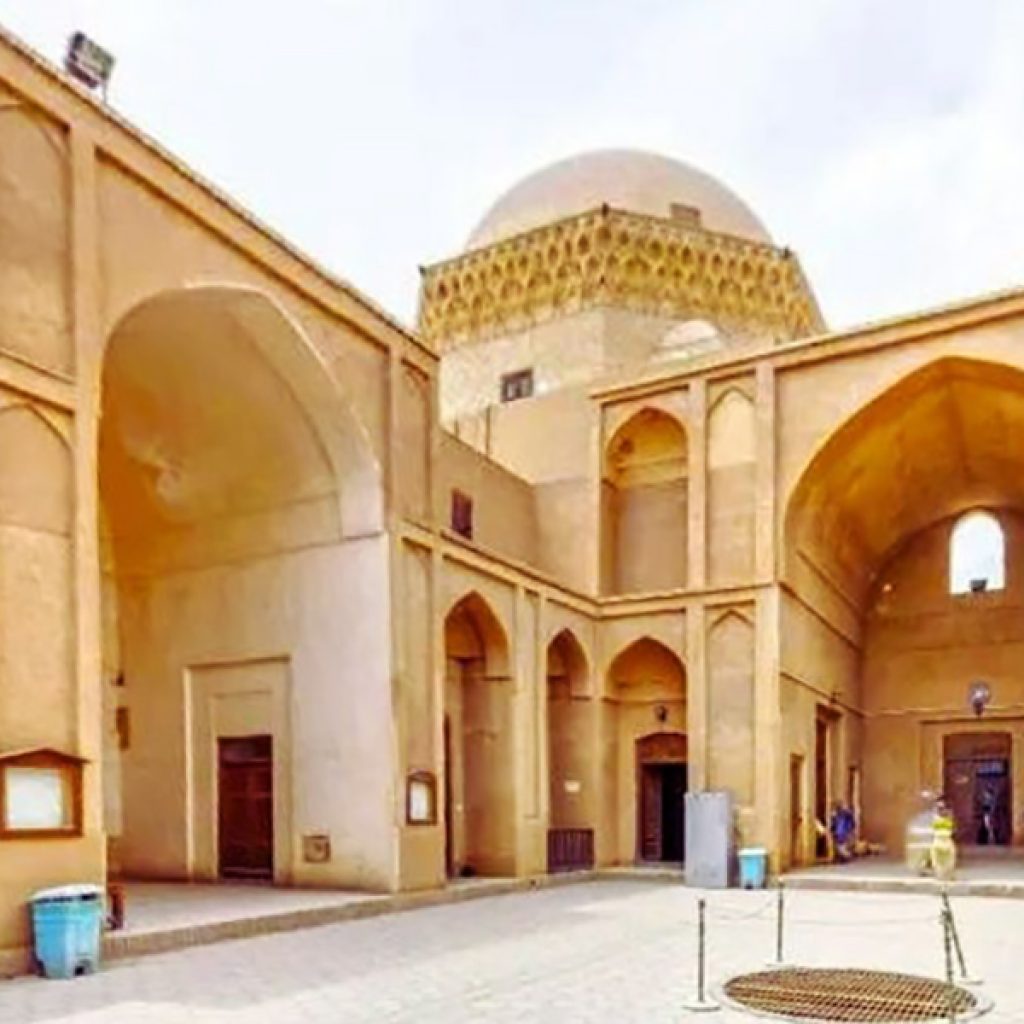
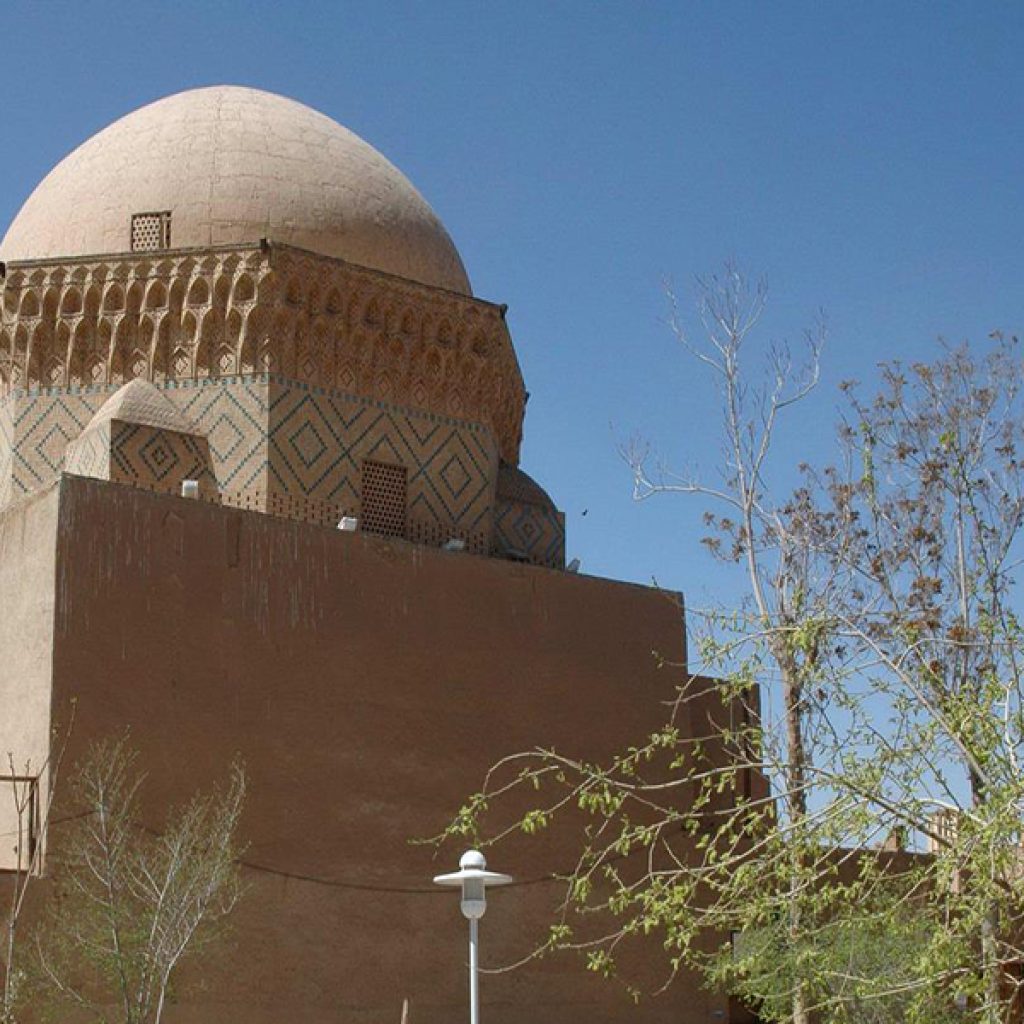
Known by the traditional name Alexander’s Prison, this historic building is a familiar stop in Yazd’s old quarter. Its courtyard and domed architecture contribute to the character of the surrounding historic neighborhood. The popular name is part of local tradition and should not be taken as proof that the building served as a prison for Alexander the Great.
Amir Chakhmaq Complex
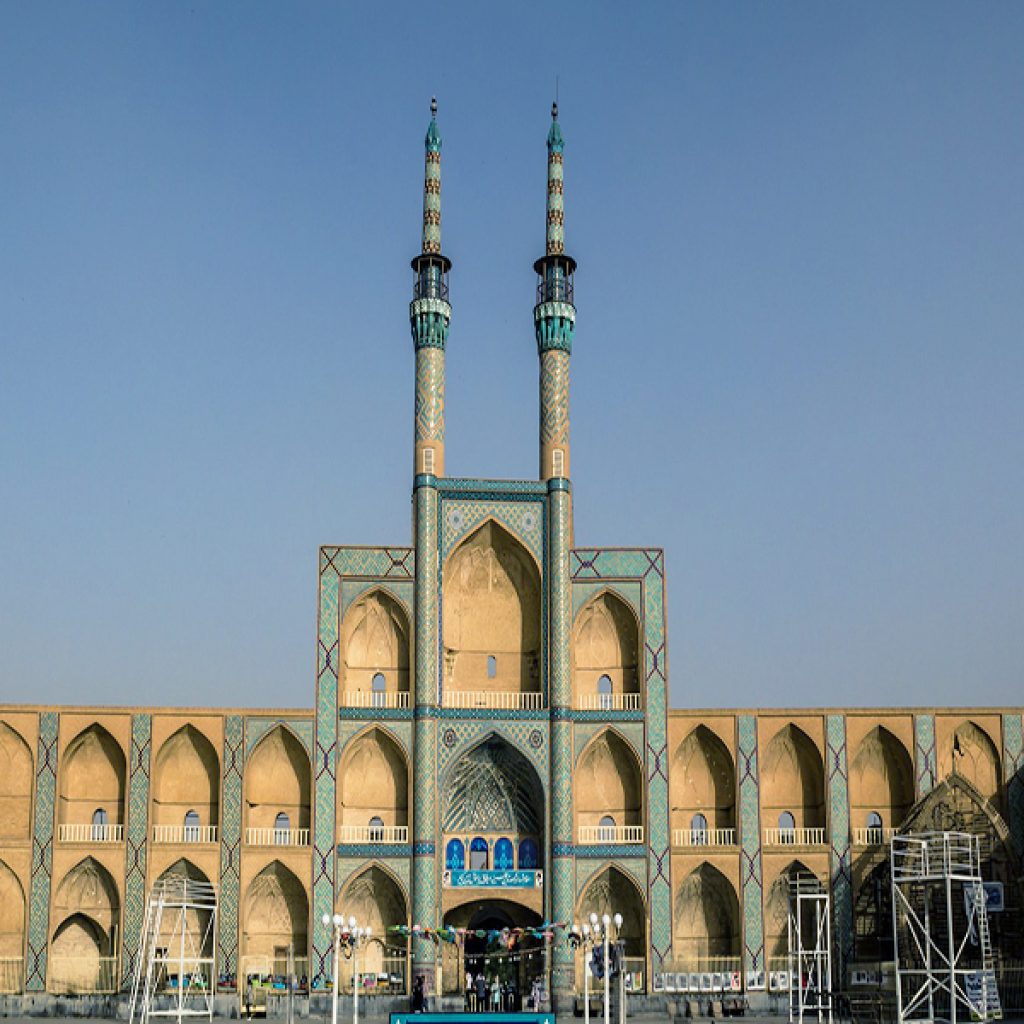
The Amir Chakhmaq Complex is one of Yazd’s most recognizable urban landmarks. Its impressive façade, symmetrical arrangement of recessed arches, and prominent position beside a historic square make it an important feature of the city’s architectural identity. The wider complex is associated with religious and civic life in Yazd.
Lari House
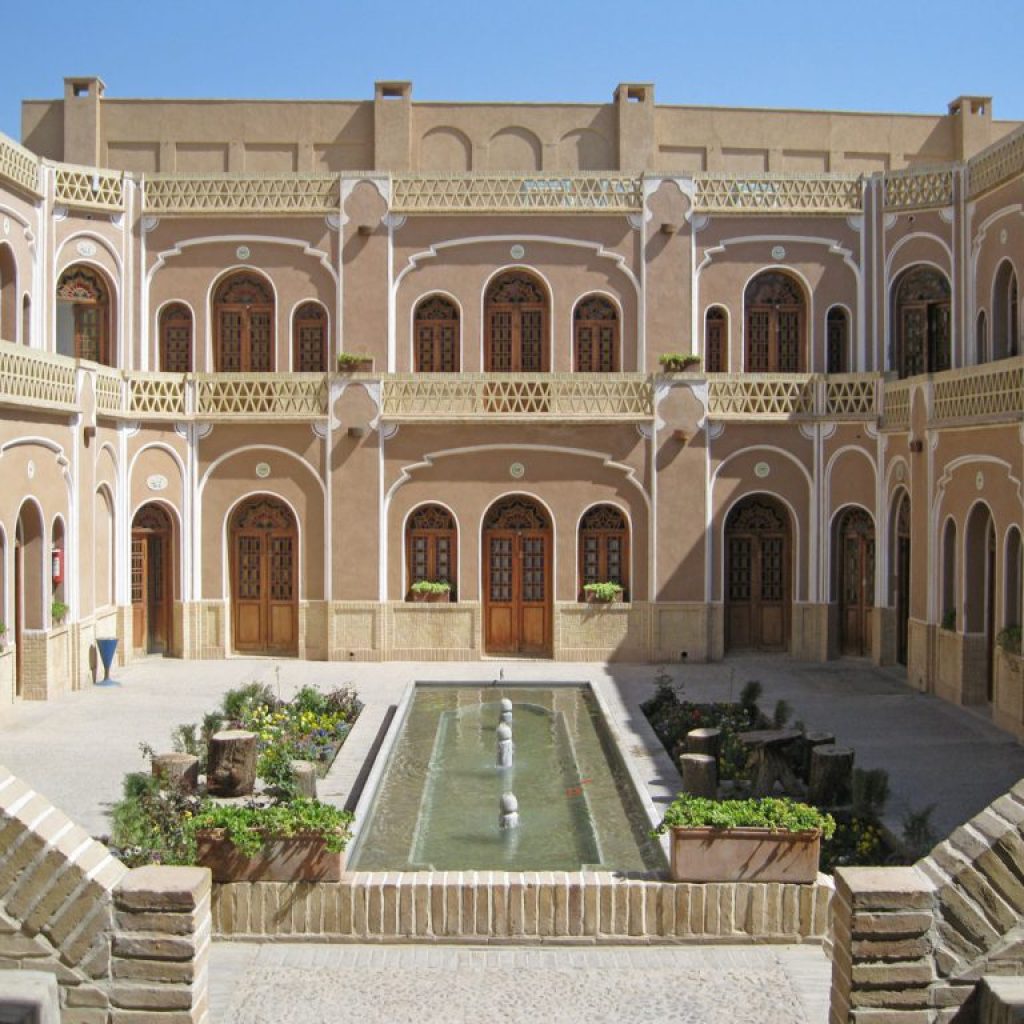
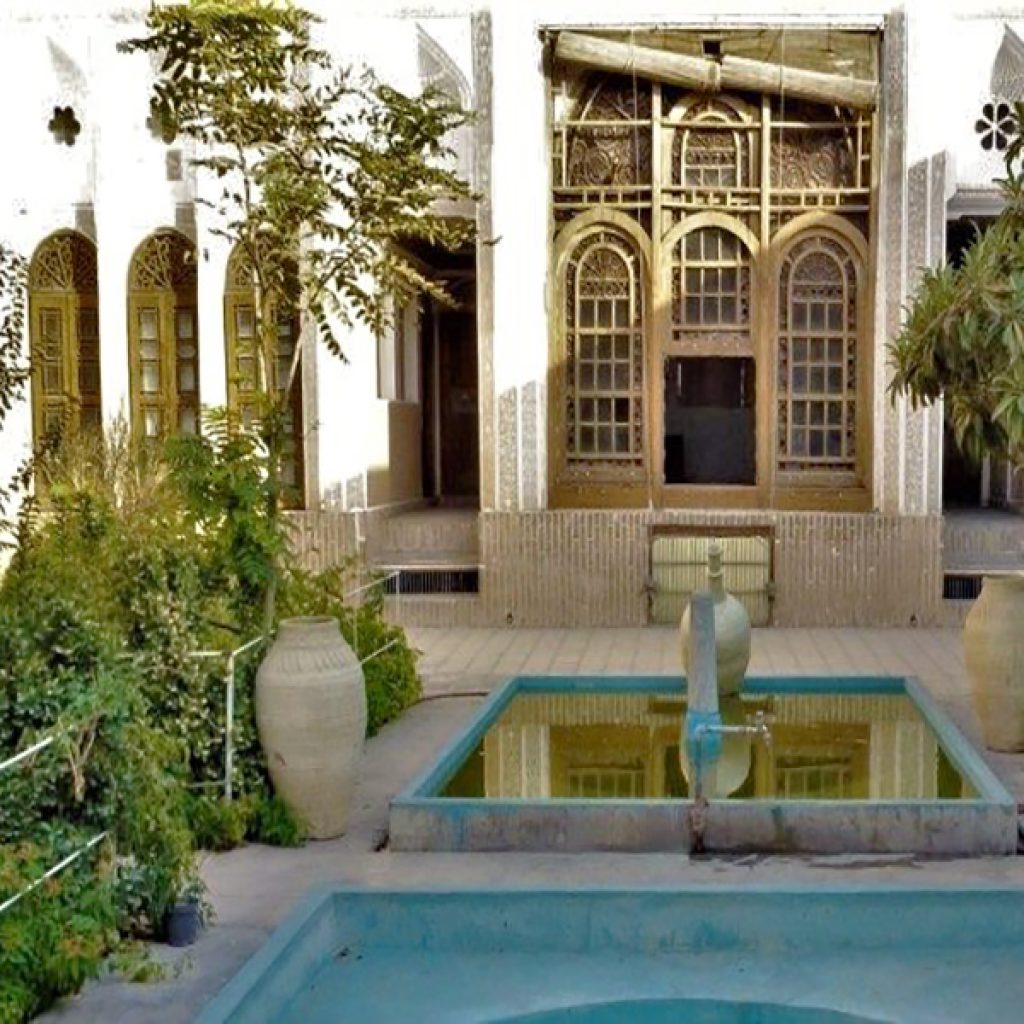
Lari House is a traditional residence that illustrates the layout and decorative details of historic Yazdi homes. Courtyards, enclosed spaces, and carefully designed rooms reflect the ways residents adapted domestic architecture to local climate and cultural traditions.
Tomb of the Twelve Imams
The Tomb of the Twelve Imams is a historic religious monument in Yazd’s old city. Its brickwork and domed structure make it a notable example of the city’s early Islamic architectural heritage.
Saryazd Fortress
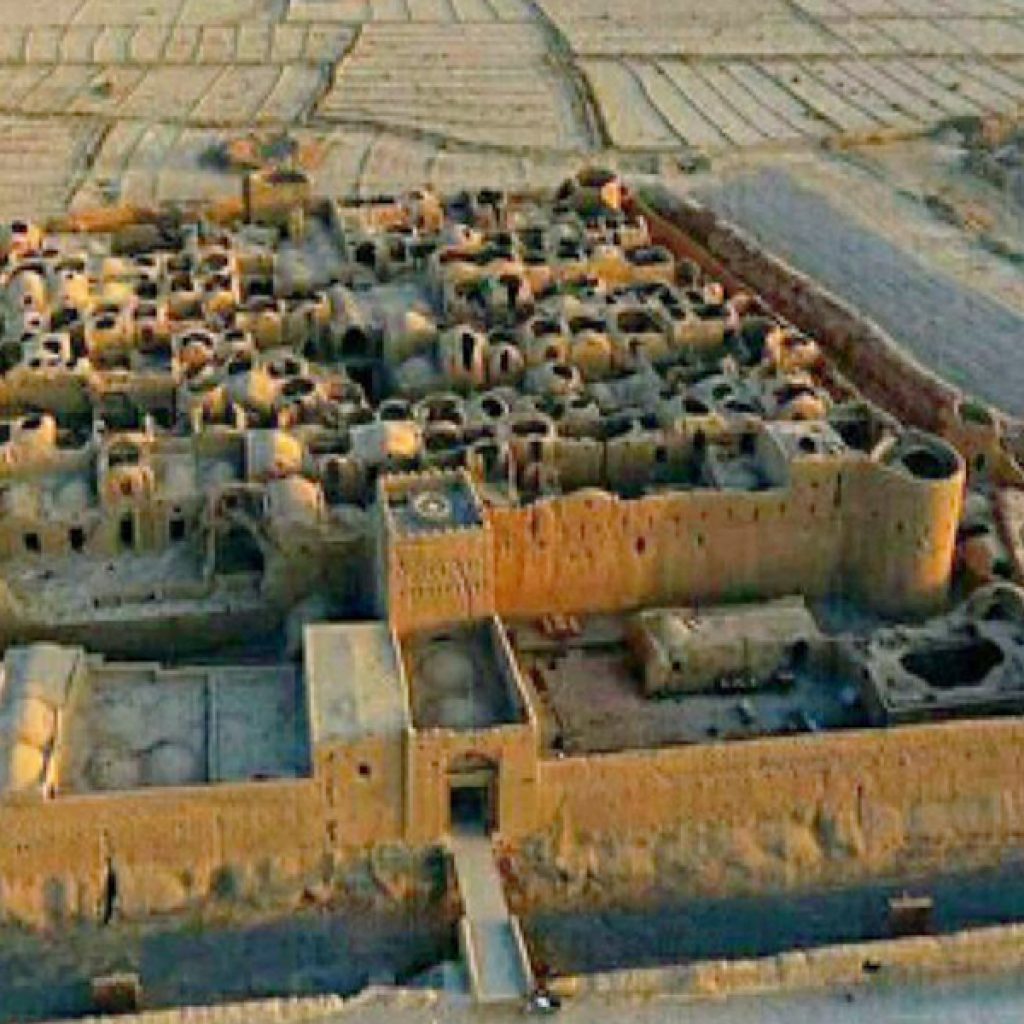
Located in the village of Saryazd, near Mehriz and outside Yazd city, Saryazd Fortress is a historic defensive structure associated with the region’s past. Its walls, towers, and internal layout offer a different perspective on traditional settlement and protection in central Iran.
Yazd rewards visitors who take time to explore beyond its main landmarks. Guided tours can help travelers discover the stories behind its architecture, understand the role of water in desert life, and experience the traditions that continue to shape the city today.