Kerman Province offers a remarkable variety of attractions, from UNESCO World Heritage sites and traditional Persian gardens to fortified mud-brick settlements and unusual geological formations. Some are located within Kerman city, while others require day trips or longer excursions.
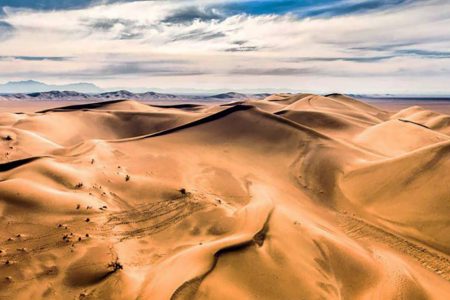
The Lut Desert and Shahdad Kaluts: also known as Dasht-e Lut, is one of Iran’s most extraordinary natural landscapes and a UNESCO World Heritage site. Its vast expanses of sand, stone, and sculpted landforms reveal the powerful effects of wind and erosion in an extremely arid environment.
Near Shahdad, the spectacular kalouts rise from the desert in long, sculptural formations shaped over time by natural forces. Their unusual silhouettes create an almost otherworldly landscape, making this area especially appealing to travelers interested in geology, photography, and desert scenery.
Visits require careful planning because of extreme temperatures, limited facilities, and the remoteness of some areas.
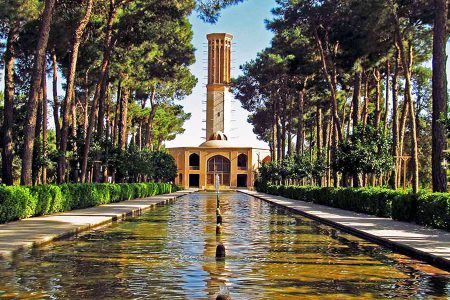
Shahzadeh Garden: Located near Mahan, approximately 35 kilometers southeast of Kerman, Shazdeh Garden is one of Iran’s celebrated Persian gardens and part of the UNESCO-listed Persian Garden property.
Built in an otherwise arid setting, the garden is known for its long pools, flowing water, green pathways, and elegant pavilion. The contrast between its carefully designed greenery and the surrounding dry landscape illustrates the ingenuity of traditional Persian garden design.
Shazdeh Garden is particularly attractive to visitors interested in Persian architecture, historic landscaping, and photography.
Bam and its Cultural Landscape, a UNESCO World Heritage site in Kerman Province, represents an exceptional example of a historic settlement developed in a desert environment.
The monumental Arg-e Bam, or Bam Citadel, is renowned for its extensive mud-brick architecture and its relationship with the ancient irrigation systems that sustained life in the region. Bam occupied an important position along historic trade routes and became a significant center of commerce and textile production.
A visit offers insight into how communities built and maintained settlements in an environment where water management was essential to survival.
Meymand Rock-Cut Village is a remarkable historic village known for its homes carved directly into the surrounding rock. Its traditional settlement pattern reflects generations of adaptation to a dry and demanding environment.
Recognized by UNESCO for its cultural landscape, Meymand provides a distinctive perspective on rural life and the relationship between people, architecture, and nature. Its rock-cut dwellings, traditional way of life, and surrounding scenery make it an especially interesting destination for cultural travelers.
The Persian Qanats: traditional qanats are underground water channels that have supported agriculture and permanent settlements across Iran’s arid regions for centuries. These systems collect groundwater and transport it by gravity, demonstrating sophisticated knowledge of local geology and water management.
Kerman Province is associated with several qanats included in UNESCO’s Persian Qanat World Heritage property, including Goharriz, Akbarabad, and Qasemabad. They offer insight into the engineering knowledge and communal traditions that enabled settlements to flourish in dry landscapes.
The Ganj Ali Khan Complex: Situated in the historic center of Kerman, the Ganj Ali Khan Complex is one of the city’s most important architectural attractions. Developed during the Safavid period, the complex brings together several elements of traditional urban life around a historic square.
Its notable structures include a bathhouse, caravanserai, mosque, school, water reservoir, mint, and sections of the traditional bazaar. Decorative tilework, architectural details, and the relationship between its different buildings make the complex an excellent place to explore Kerman’s commercial and cultural heritage.
Rayen Castle, or Arg-e Rayen, is a large fortified mud-brick settlement located near the city of Rayen, southeast of Kerman.
Its defensive walls, towers, gateways, and internal layout reveal the organization of a traditional fortified town. The complex contains distinct areas that reflect differences in social status and everyday life.
Rayen Castle is a rewarding destination for visitors interested in historic Iranian architecture and the techniques used to construct and defend settlements in arid regions.
Vakil Bazaar is part of Kerman’s traditional commercial district and is associated with historic structures such as caravanserais, bathhouses, and other public buildings.
Walking through the bazaar offers an opportunity to experience the atmosphere of traditional Iranian trade. Visitors can browse carpets, copperware, spices, handicrafts, jewelry, and local sweets while observing the architecture and rhythms of everyday life.
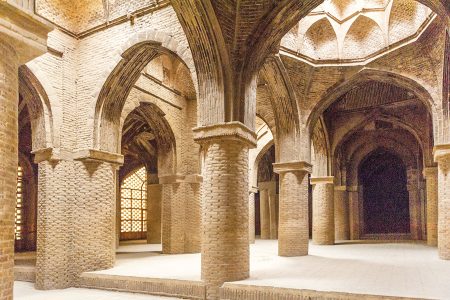
Kerman Jameh Mosque, also known as the Friday Mosque of Kerman, is a prominent historic religious monument dating to the fourteenth century.
Its striking entrance portal and intricate tile decoration are among its most recognizable features. The mosque is an important stop for visitors interested in Persian-Islamic architecture and the historic character of Kerman’s old city.
Harandi Museum located in a historic garden setting, Harandi Museum offers an opportunity to learn more about the cultural and archaeological heritage of Kerman Province.
Its collections include archaeological objects and musical instruments, presenting different aspects of the region’s history and artistic traditions. The setting also makes the museum a pleasant addition to a visit to the city.
Sanati Contemporary Art Museum introduces visitors to a different side of Kerman’s cultural life through a collection of artworks, including works by Iranian artists.
For travelers interested in modern and contemporary art, the museum provides a contrast to the city’s traditional architecture and historic monuments.
Fathabad Garden, located near Kerman, is a historic garden known for its elegant mansion, landscaped grounds, and reflective pool.
The combination of architectural details, trees, water, and open space creates a peaceful setting that illustrates the enduring importance of gardens in Iranian culture. It is an appealing place to visit for architecture enthusiasts and photographers.
The Shah Nematollah Vali Shrine, located in Mahan, is an important historical and spiritual complex dedicated to the celebrated Persian Sufi poet and mystic Shah Nematollah Vali.
The complex is known for its courtyards, decorative architecture, ornate minarets, and distinctive dome. Its atmosphere and artistic details make it one of the most memorable cultural attractions near Kerman.
Gonbad-e Jabaliye is an unusual historic structure in Kerman, distinguished by its octagonal form, substantial stone construction, and prominent dome.
Its precise origins and original function have been debated, and various traditions have associated the building with different periods. Its distinctive architecture nevertheless makes it an intriguing stop for visitors exploring the city’s historical landmarks.
Haj Agha Ali House, located in the Rafsanjan area, is an expansive traditional residence associated with the Qajar period.
The house is notable for its mud-brick construction, decorative plasterwork, colorful windows, and traditional architectural features adapted to the region’s dry climate. It offers a glimpse into the residential architecture and lifestyle of affluent families in historic Iran.
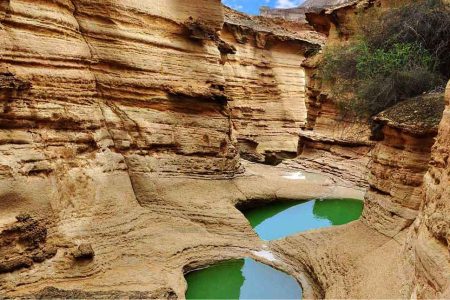
Rageh Canyon, near Rafsanjan, is a striking landscape shaped by long-term erosion. Its sculpted walls, narrow passages, and tall geological formations create an impressive natural setting.
The canyon is especially interesting for nature enthusiasts and photographers. Access conditions can vary, so visitors should check local guidance and avoid entering unsafe areas.
The Stone Garden near Sirjan is an unusual outdoor artwork featuring trees and fruit-like forms made from stone.
Its unconventional appearance and personal artistic expression have made it a distinctive attraction in the region. The site offers a different kind of cultural experience from the province’s historic buildings and archaeological landmarks.