This Shiraz travel guide introduces the gardens, historic landmarks, and cultural heritage of Shiraz, the capital of Fars Province in southern Iran. With Derak Mountain rising to the west, the city brings together a distinctive natural setting and a rich urban heritage.
Often called the City of Poetry and Gardens, Shiraz is celebrated for its historic Persian gardens, remarkable architecture, and deep literary traditions. Here, the legacy of poets such as Hafez and Saadi remains an important part of the city’s cultural identity. Exploring Shiraz offers visitors a chance to experience the history and traditions that continue to shape the city today.
Timeless Persian Gardens
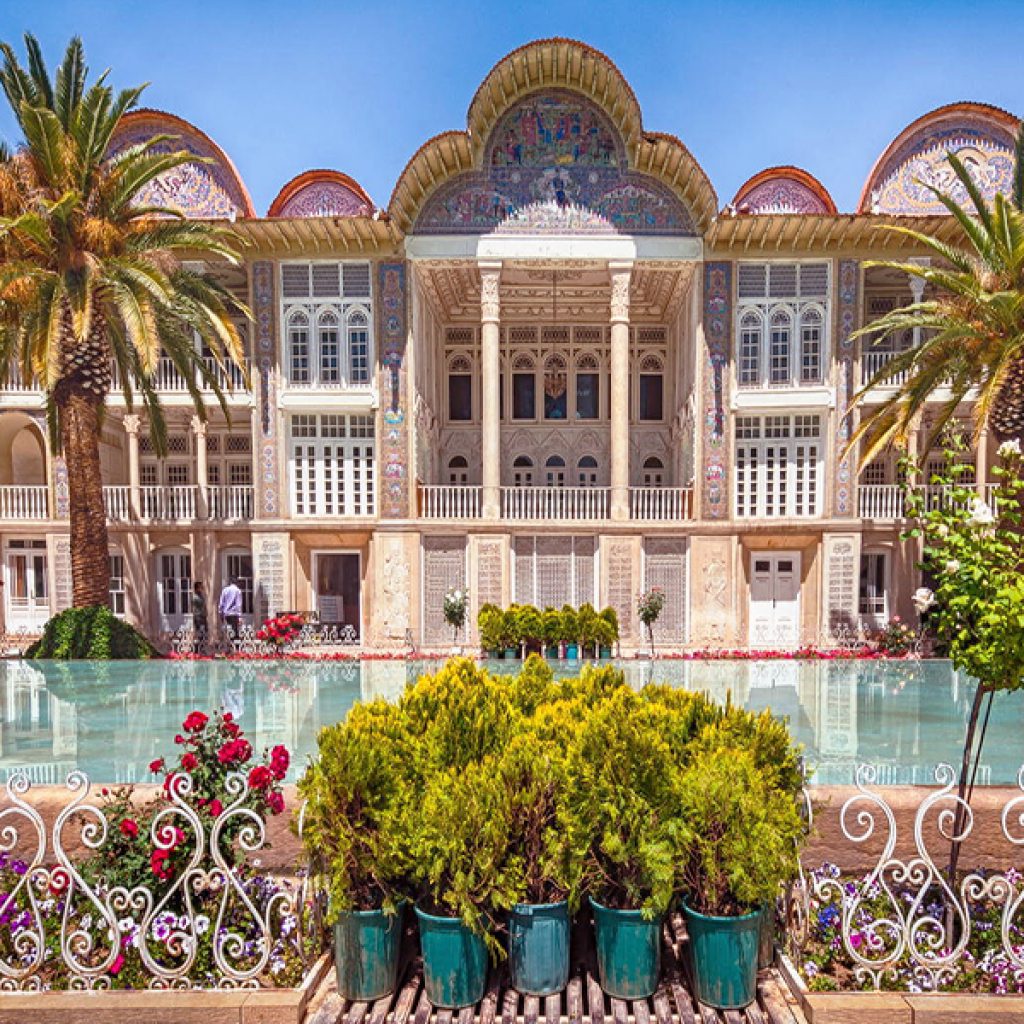
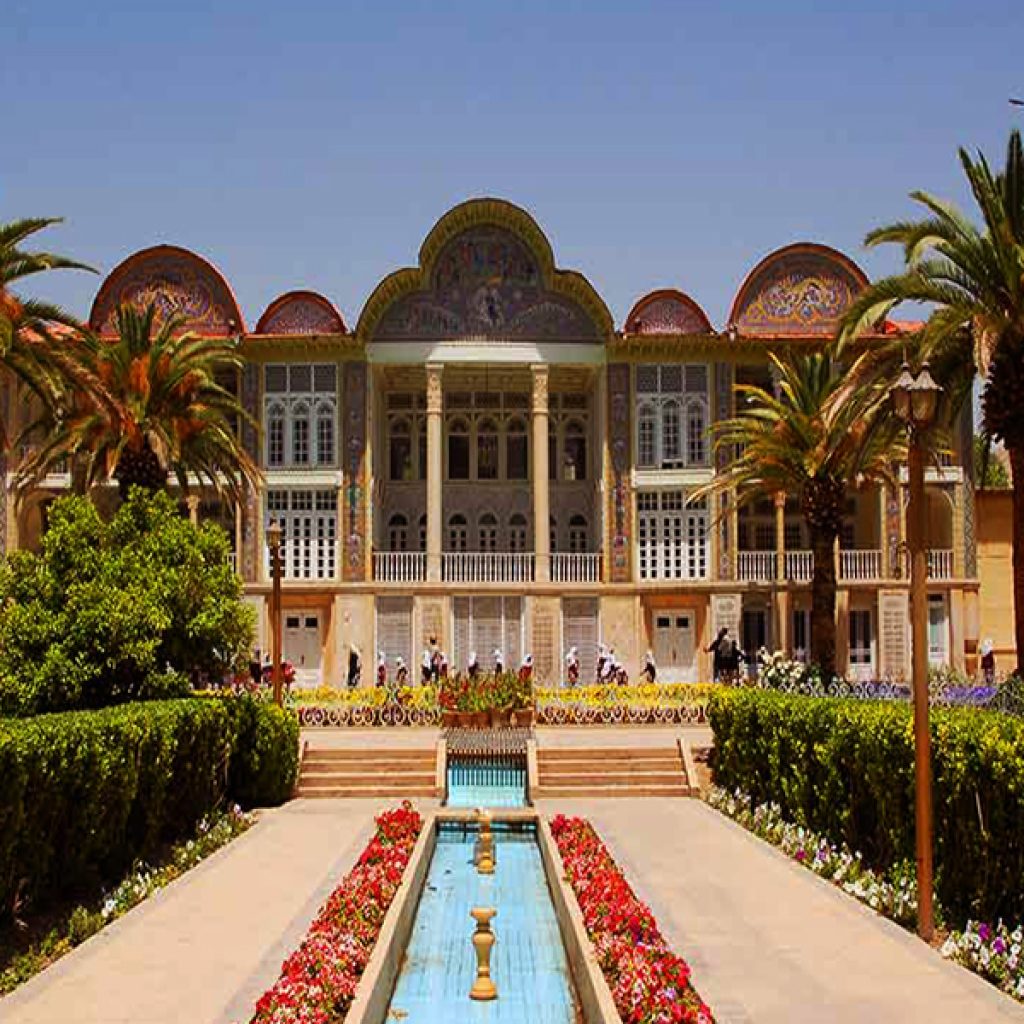
Eram Garden forms part of UNESCO’s World Heritage-listed property, The Persian Garden, inscribed in 2011. Among its distinctive features are the tall cypress trees, including the celebrated Sarv-e Naz, and a Qajar-era pavilion decorated with carved columns and intricate tilework. Today, the garden also serves as a botanical garden, bringing together historic Persian landscaping and a diverse collection of plants.
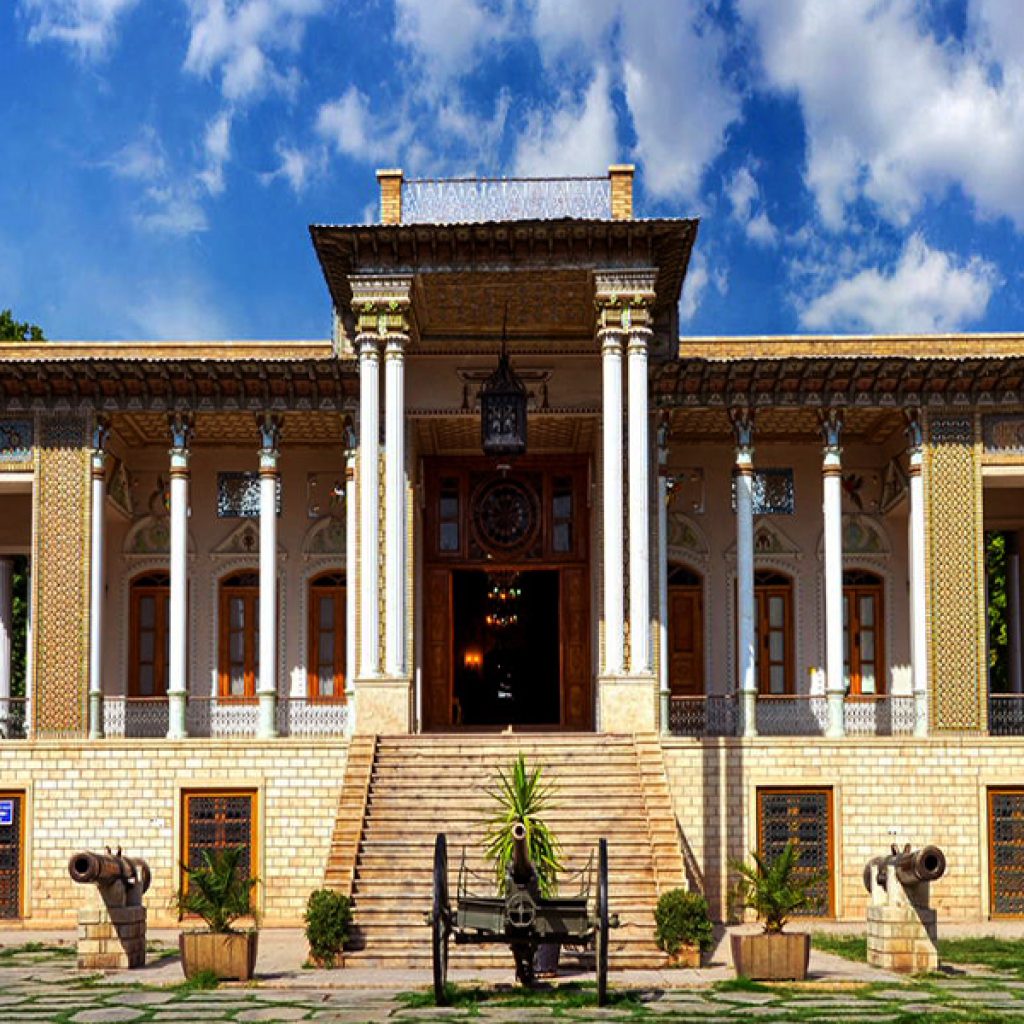
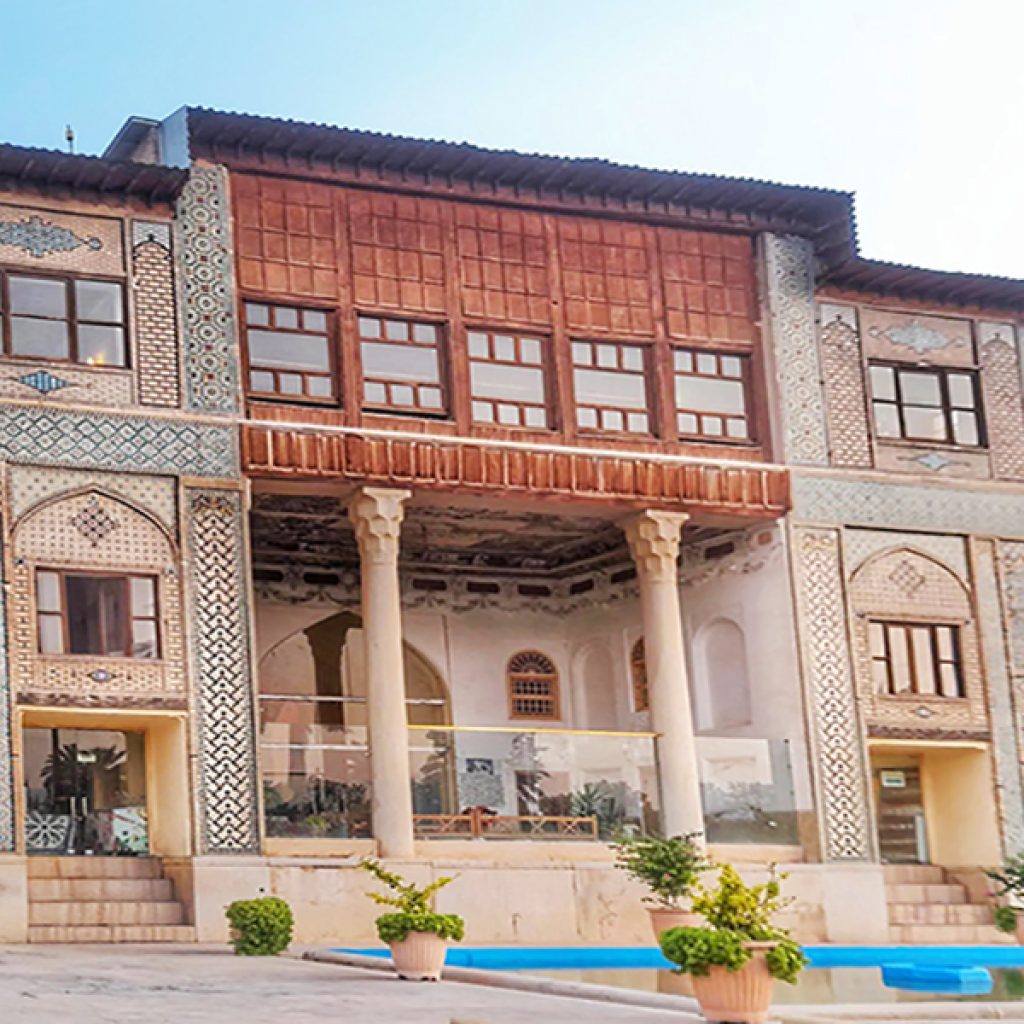
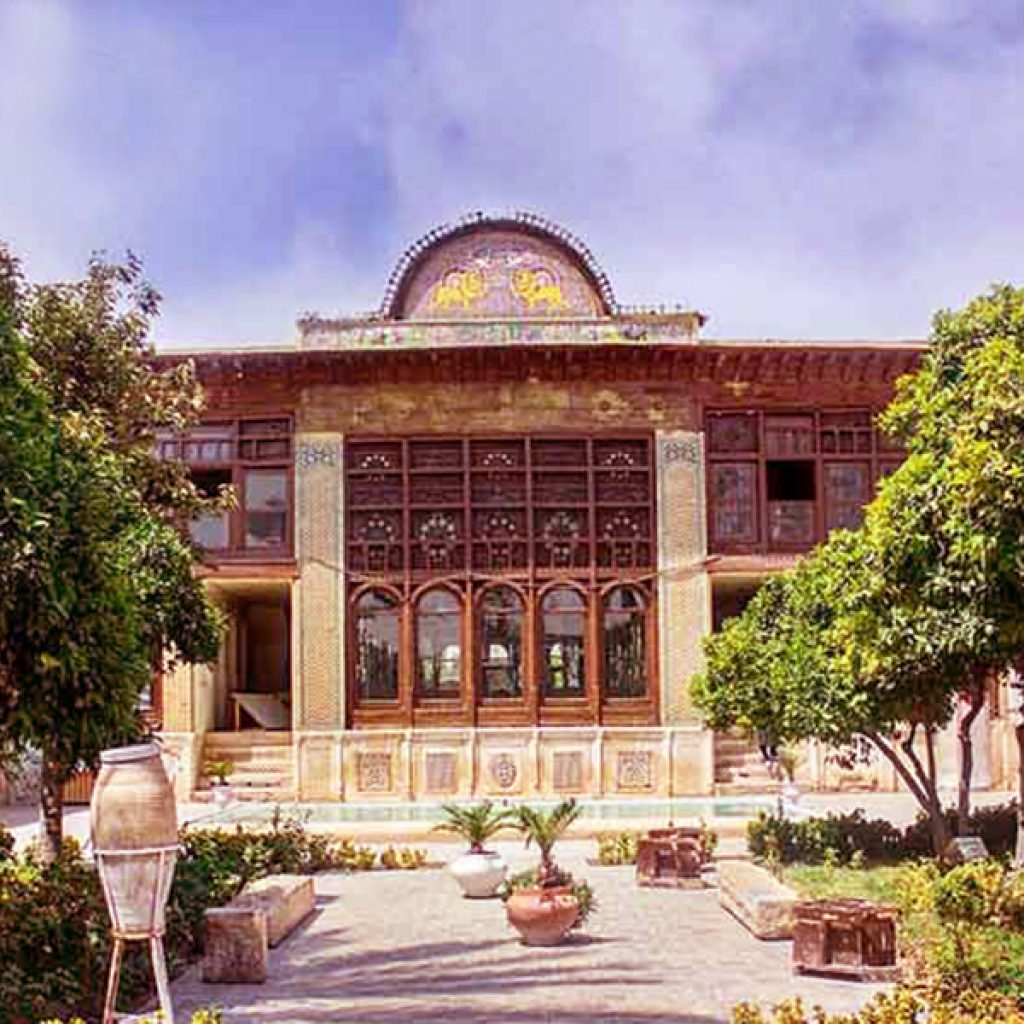
Afif-Abad Garden, also known as Golshan Garden, reflects several chapters of Shiraz’s history. The site was used during the Safavid period and was later acquired and restored by Mirza Ali Khan Qavam al-Molk during the Qajar era. Its two-story mansion stands within a traditional Persian garden, while the complex’s weapons museum displays objects connected with Iran’s military past. Together, the garden and its buildings offer a closer look at how the site evolved from a historic estate into a museum complex.
Delgosha Garden, located near the Tomb of Saadi in northeastern Shiraz, is a historic garden known for its citrus trees and traditional layout. Its bitter orange blossoms are especially noticeable in spring, when the garden takes on a distinctive fragrance. A historic pavilion stands among the trees, offering a glimpse of the garden’s architectural heritage and its place in Shiraz’s long tradition of Persian gardening.
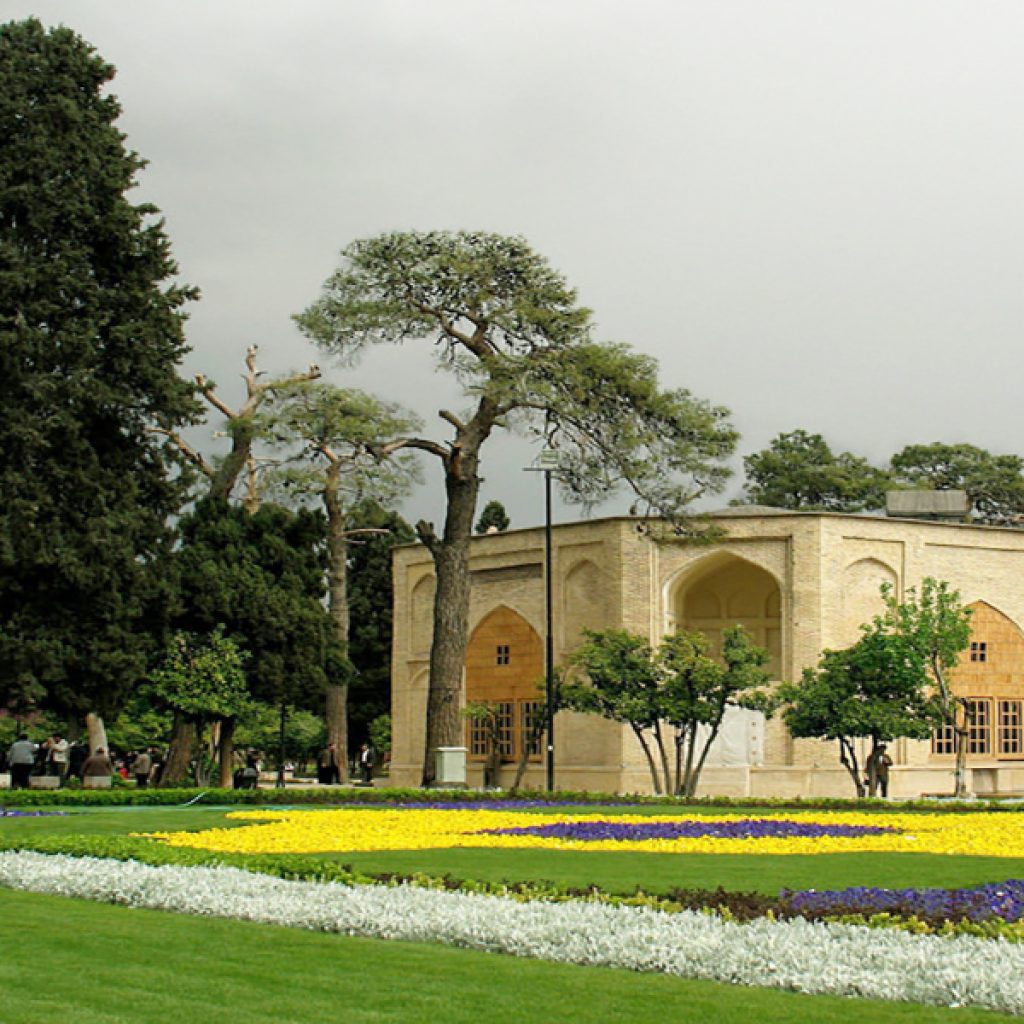
Jahan Nama Garden is a historic Persian garden in northeastern Shiraz, near the city’s Qur’an Gate and Hafezieh area. Although its exact origins are uncertain, the garden was renovated during the reign of Karim Khan Zand in the 18th century. At its center stands an octagonal pavilion, reached by pathways that divide the garden into a geometric layout. Cypress and citrus trees are among the plants that shape the setting, while the garden’s elevated position offers views across parts of Shiraz.
Together, Eram, Afif-Abad, Delgosha, and Jahan Nama gardens reveal different aspects of Shiraz’s gardening heritage, from historic pavilions and carefully planned pathways to the citrus and cypress trees that shape their landscapes.
History Around Every Corner
Shiraz’s historic center reflects the city’s changing fortunes across the centuries. From the commercial life of Vakil Bazaar to the imposing Arg of Karim Khan and the historic Qur’an Gate, these landmarks reveal different aspects of the city’s past, including its role as the capital of the Zand dynasty.
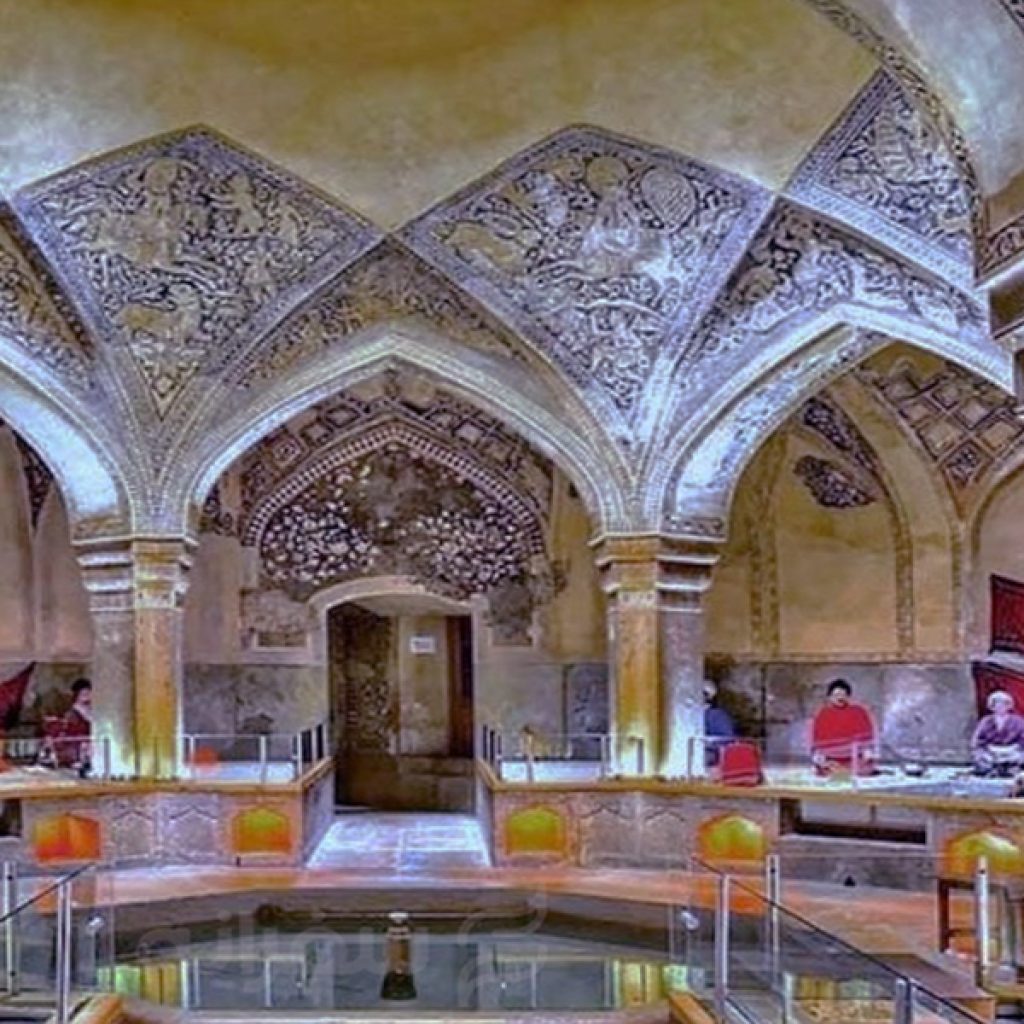
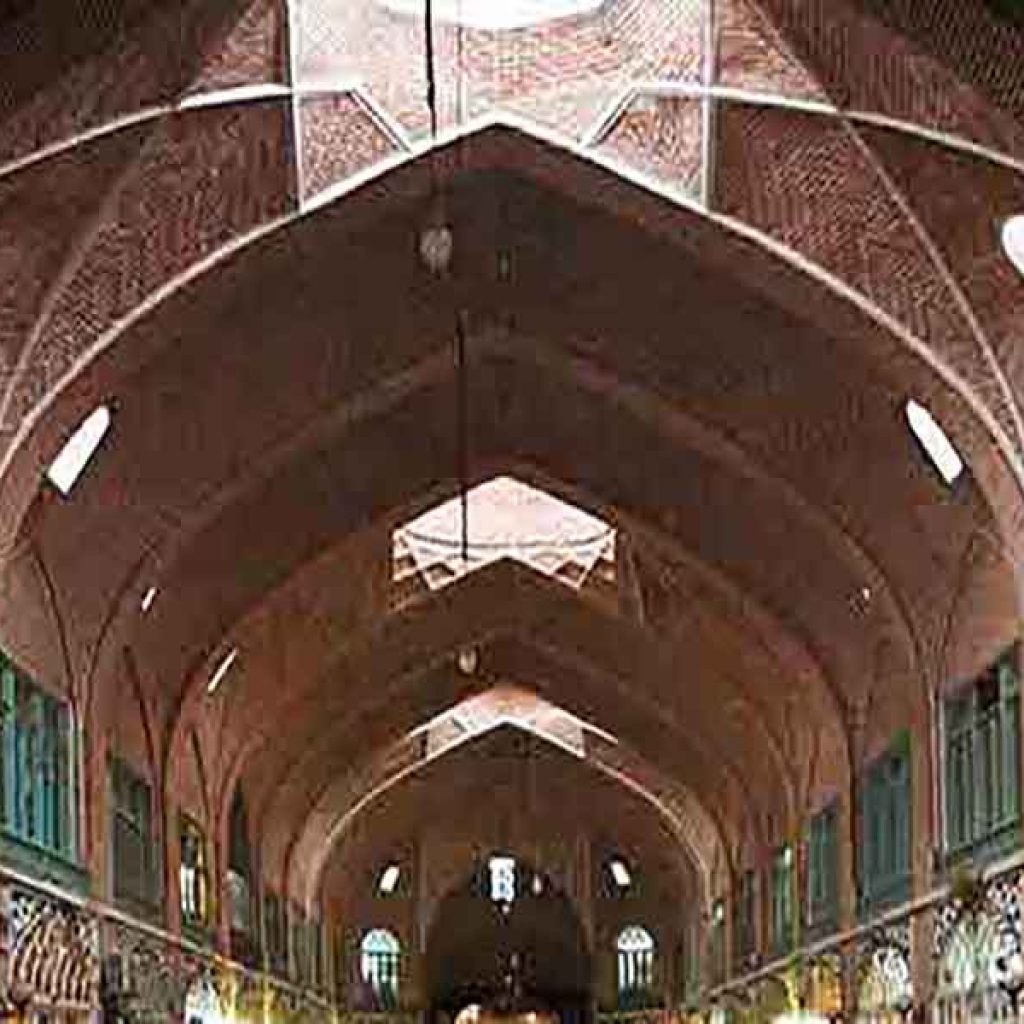
Vakil Bazaar: Commissioned by Karim Khan Zand in the 18th century, Vakil Bazaar became an important part of Shiraz’s historic city center. Its intersecting passages meet beneath a high vaulted structure, while rows of traditional shops occupy the covered corridors. Today, merchants continue to sell carpets, textiles, spices, and handicrafts here, connecting the bazaar’s historic role in local trade with the everyday life of modern Shiraz. Vakil Mosque and Vakil Bathhouse stand nearby as part of the wider Zand-era complex.
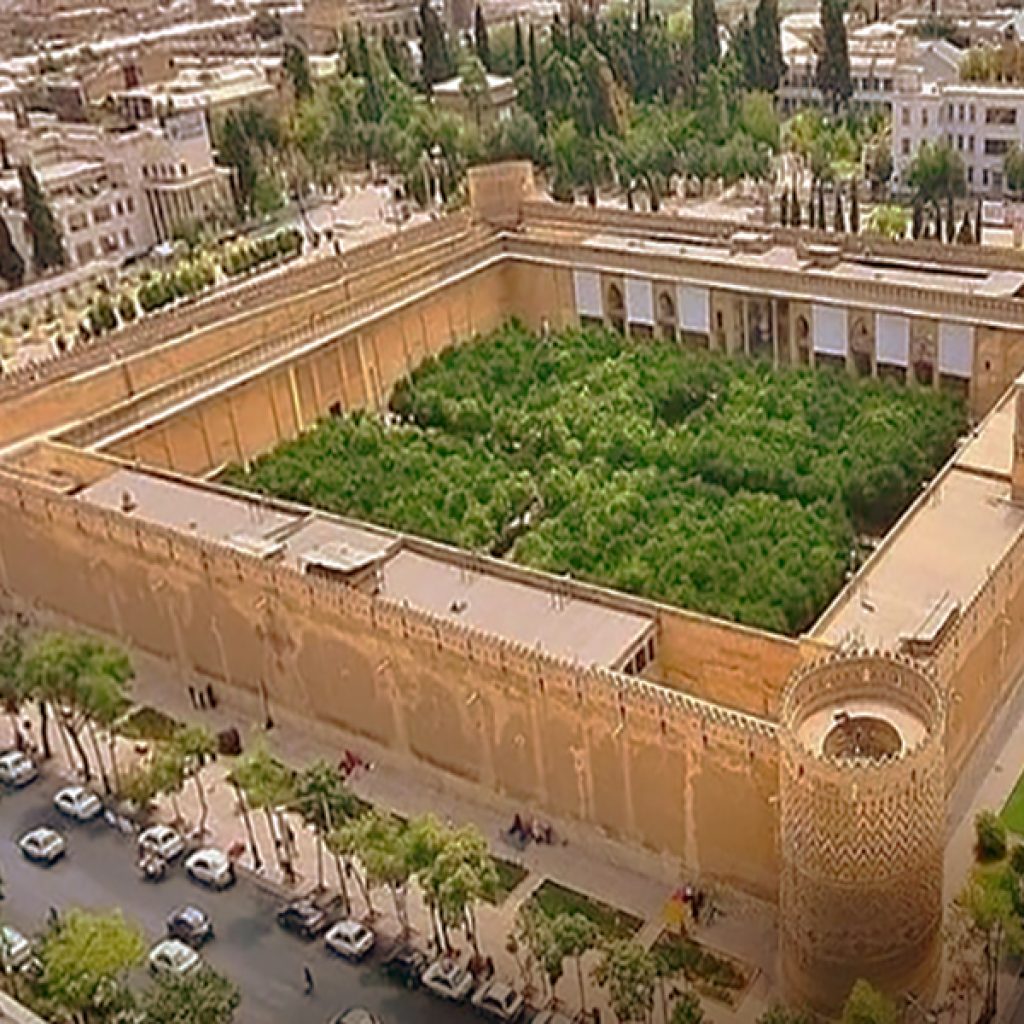
The Arg of Karim Khan: Built in Shiraz during the reign of Karim Khan Zand in the 18th century, the Arg served as both a royal residence and a fortified complex. Its rectangular brick walls are reinforced by four prominent round towers, giving the exterior a strong defensive appearance. Inside, the courtyard offers a different view of the building, with a garden, pools, and spacious halls arranged around it. The combination of defensive features and residential spaces reflects the Arg’s dual role in the political and courtly life of Zand-era Shiraz.
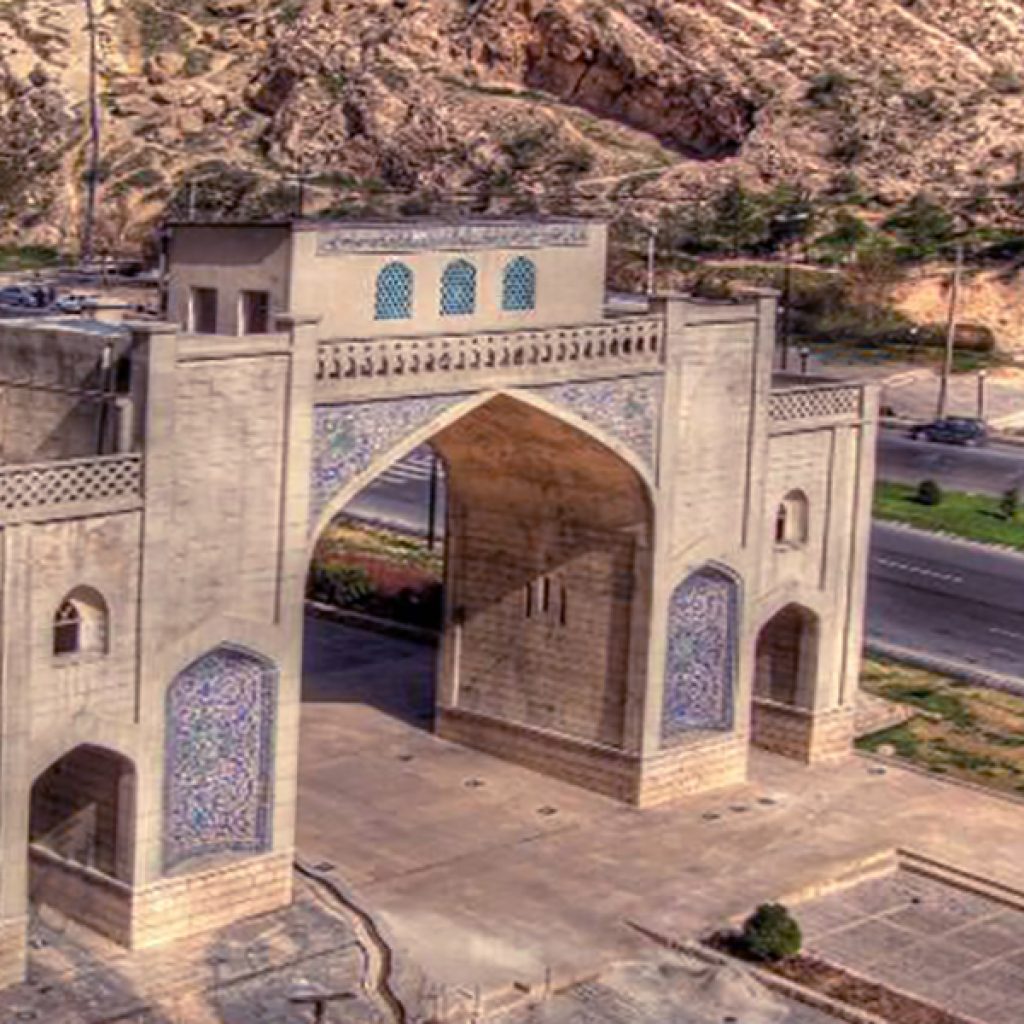
Qur’an Gate: At the northeastern approach to Shiraz, Qur’an Gate marks a historic entrance to the city along the route toward Marvdasht and Isfahan. Its origins date to the Buyid period, and it was later restored under Karim Khan Zand. During the Zand-era restoration, a chamber was added above the passage to house handwritten Qur’ans. The books were eventually transferred to the Pars Museum, but the gate retained its name and its place in local tradition, where passing beneath it was associated with a blessing for a safe journey. Rebuilt in the 20th century, the monument remains a familiar landmark at the entrance to Shiraz.
A Mosque of Light and Colour
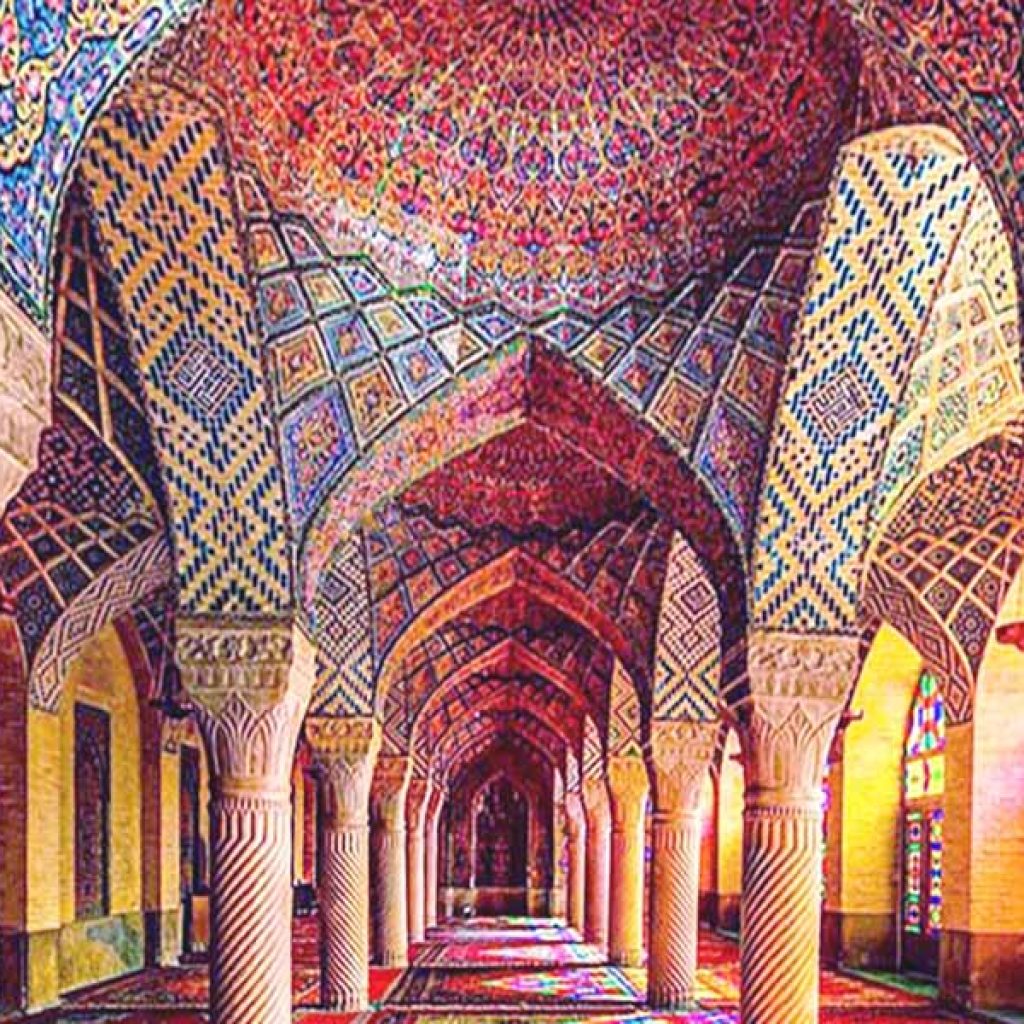
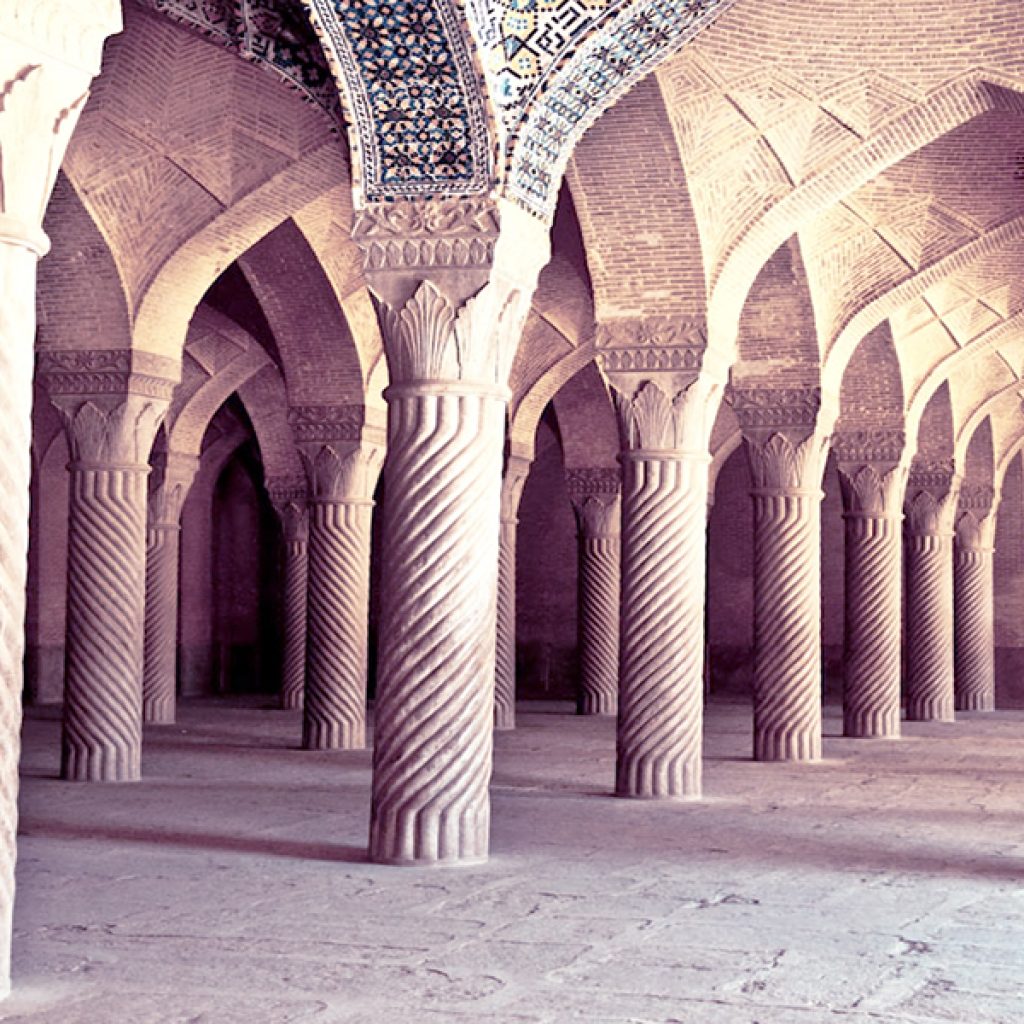
Nasir al-Mulk Mosque, often called the Pink Mosque, was commissioned by Mirza Hasan Ali Nasir al-Mulk and built between 1876 and 1888 during the Qajar era. Its design brings together colorful tilework, carved stone columns, and a façade fitted with stained glass. The southern prayer hall is particularly known for the way its colored windows filter daylight into the space, making the relationship between light, color, and traditional Persian craftsmanship a defining feature of the building.
The City of Poets
Shiraz is closely associated with Hafez and Saadi, two influential voices in classical Persian literature. Hafez is celebrated for his lyrical ghazals, while Saadi is widely admired for works such as Golestan and Bustan, which explore human behavior, ethics, and society.
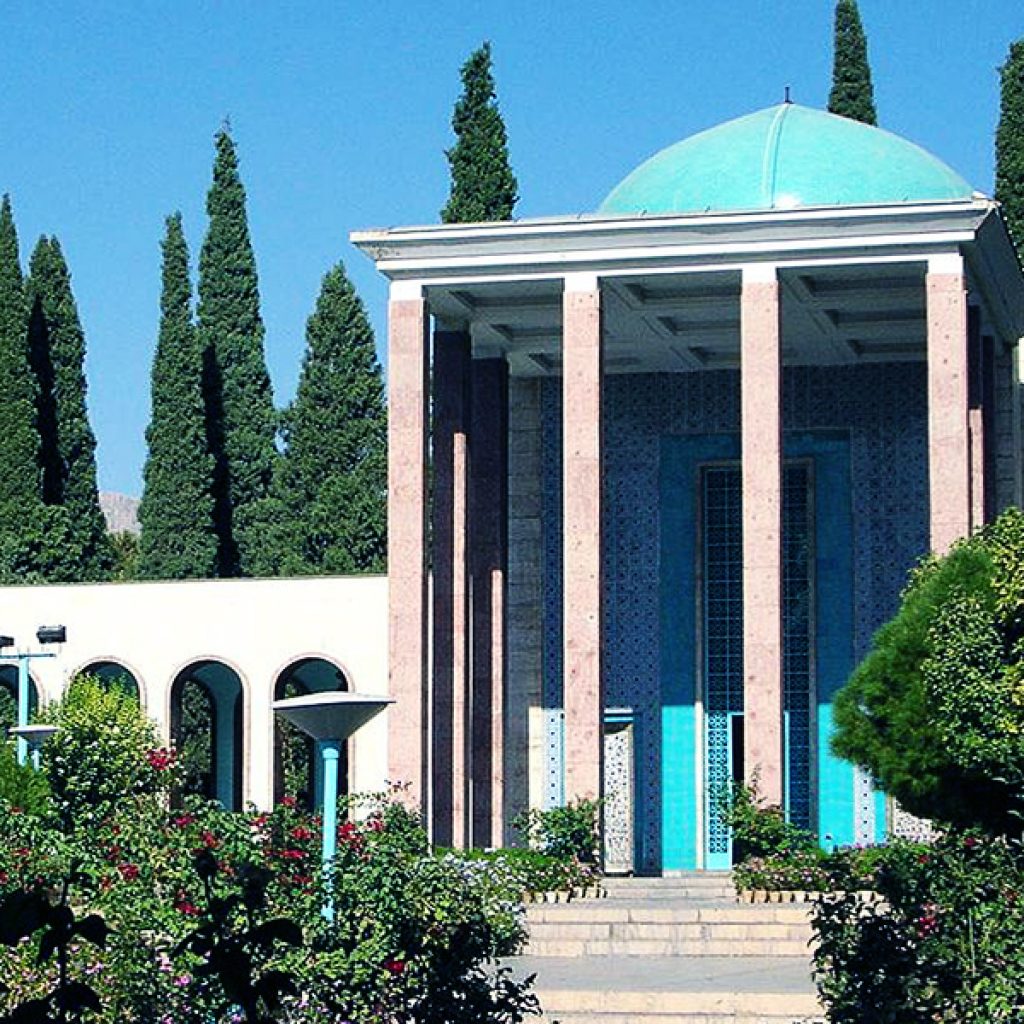
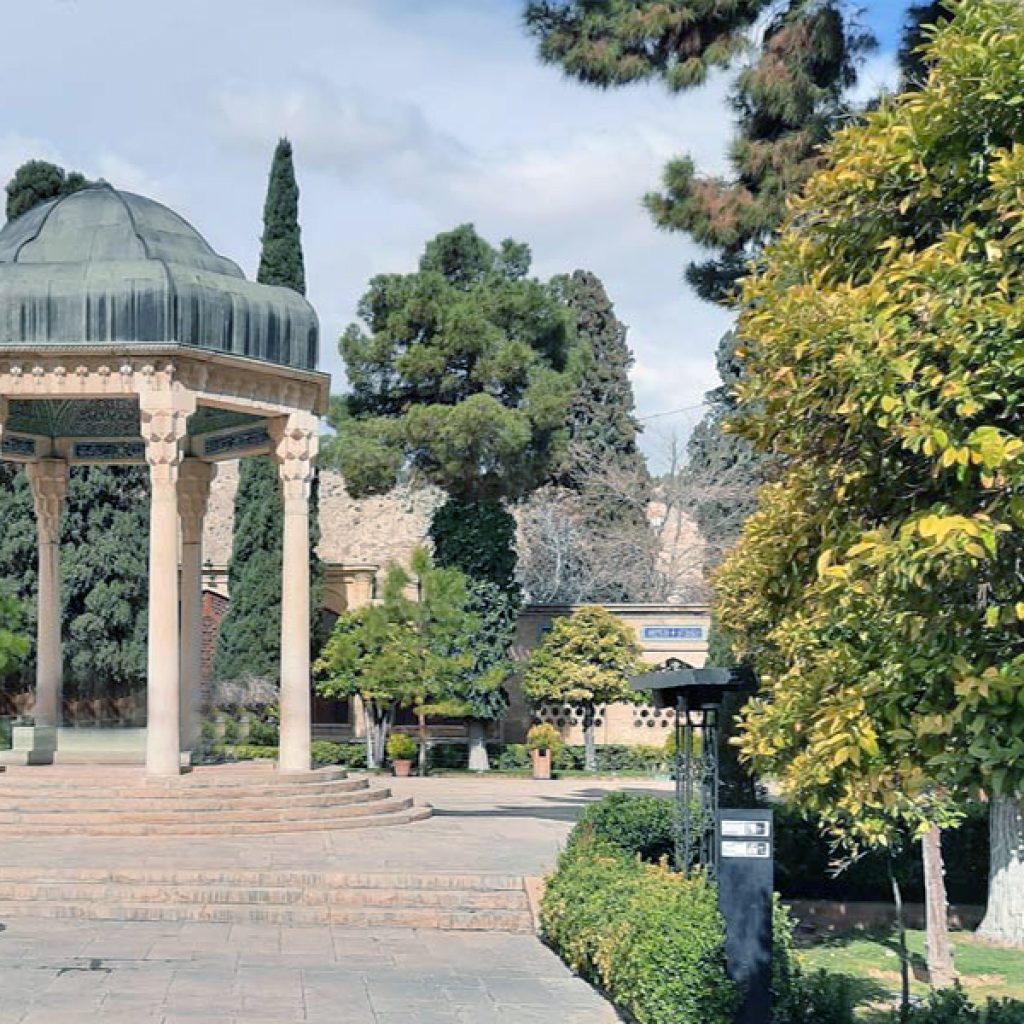
Their tombs offer different ways to encounter this literary tradition. Hafezieh, the memorial to Hafez, lies within a garden complex shaped by centuries of restoration and cultural devotion. Saadieh, the resting place of Saadi, combines a modern mausoleum with a garden setting near Delgosha Garden. For visitors, these places connect the city’s historic landscape with the words and ideas that have endured in Persian culture.
A Spiritual Landmark
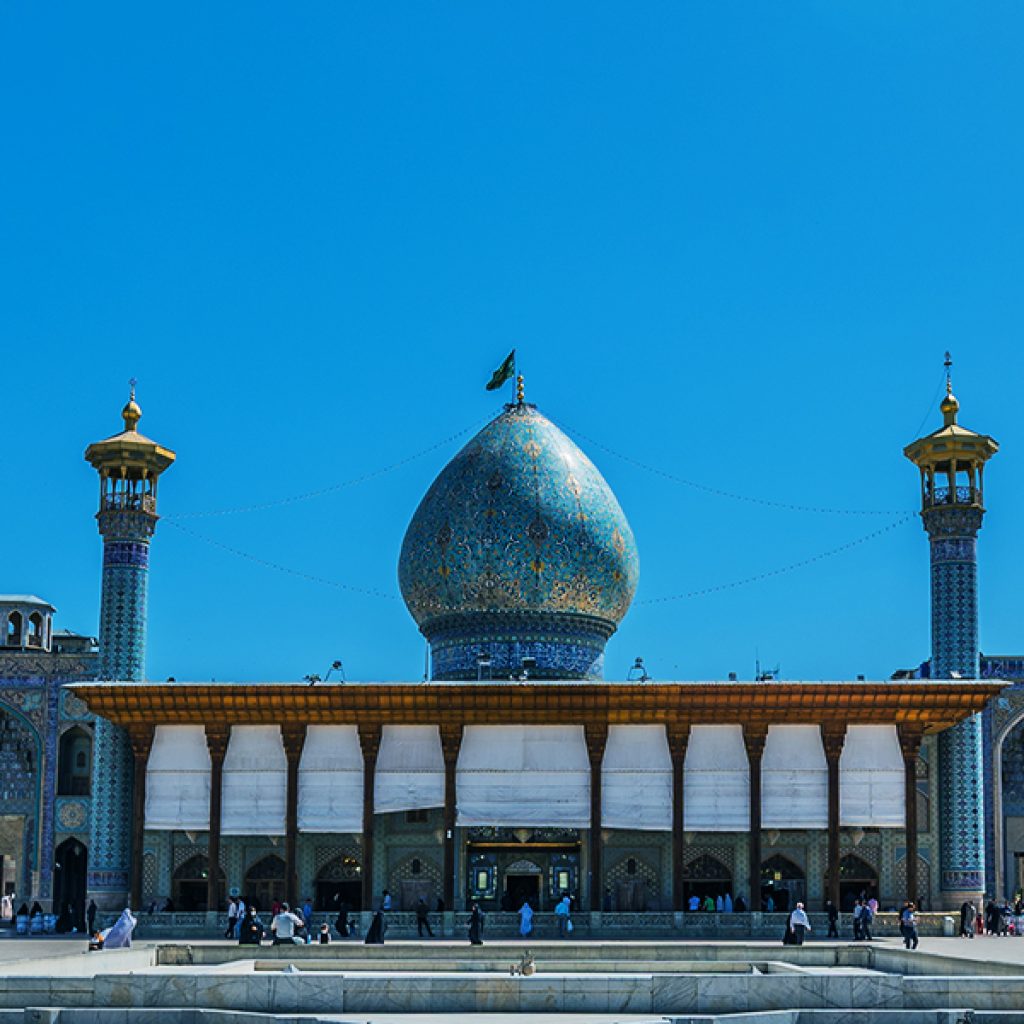
Shah Cheragh is a major Shi’a shrine complex in Shiraz, associated with Ahmad ibn Musa, the brother of Imam Reza. The site developed over several centuries, with successive rulers and patrons adding to and restoring its buildings. Inside the shrine, finely cut mirror pieces form intricate patterns across walls and ceilings, alongside colorful tilework and Persian and Arabic inscriptions. These decorative techniques make Shah Cheragh a notable example of the role of craftsmanship in Iranian religious architecture. The courtyard and surrounding buildings form an important part of the shrine complex, which continues to welcome pilgrims and other visitors.
Shiraz Travel Guide: What to See and Do
Shiraz brings together experiences that appeal to different kinds of travelers. You can explore the architecture of the Zand and Qajar periods, spend time in historic Persian gardens, visit the resting places of Hafez and Saadi, or discover the city’s religious heritage at Shah Cheragh. In spring, flowering citrus trees add another dimension to the gardens and streets. Beyond its best-known landmarks, Shiraz offers an opportunity to encounter the literature, craftsmanship, and traditions that have shaped life in southern Iran.
Places to Visit in and Around Shiraz
Use this Shiraz travel guide to explore the city’s historic landmarks, Persian gardens, and cultural attractions, as well as remarkable sites beyond the city.