Tehran,the dynamic capital of Iran, is a fascinating destination that blends deep-rooted history with modern urban life. The city welcomes travelers with awe‑inspiring landmarks, lively markets, and a rich cultural scene that reflects Iran’s diverse heritage. From historic palaces and bustling bazaars to contemporary museums and delicious local cuisine, Tehran offers a memorable experience for every kind of visitor.
History of Tehran
Tehran has a long history, although for much of its early history it was a relatively small settlement near the ancient city of Ray. The city gradually grew in importance under the Safavids and Zand dynasty.
Tehran became the capital of Iran in 1786 when Agha Mohammad Khan Qajar chose the city as the center of his newly established Qajar rule. Under Fath-Ali Shah Qajar and his successors, Tehran expanded and developed into an important political and administrative center.
During the Qajar period, the city underwent major changes, with new palaces, government buildings, streets, and public spaces added to the growing capital. Tehran continued to expand during the Pahlavi period and developed into the large modern metropolis that it is today.
Historical Attractions
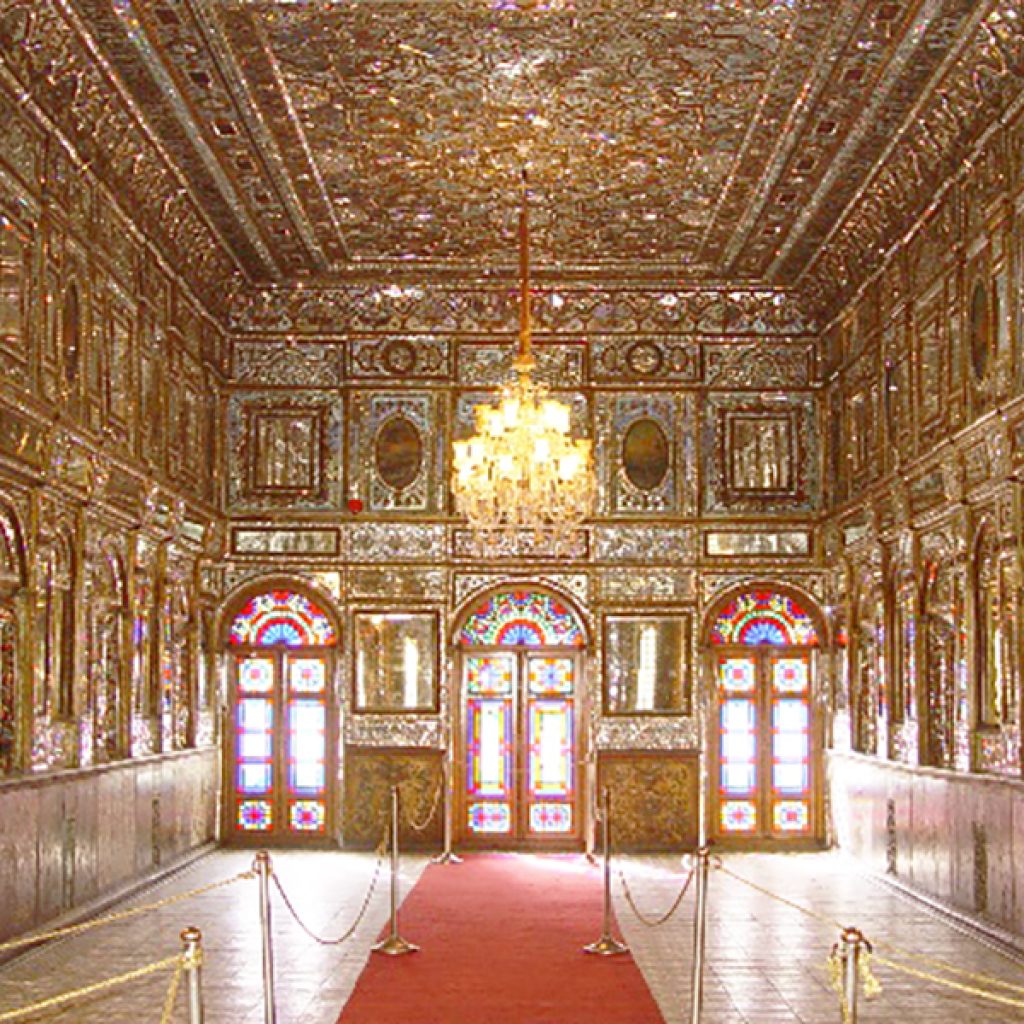
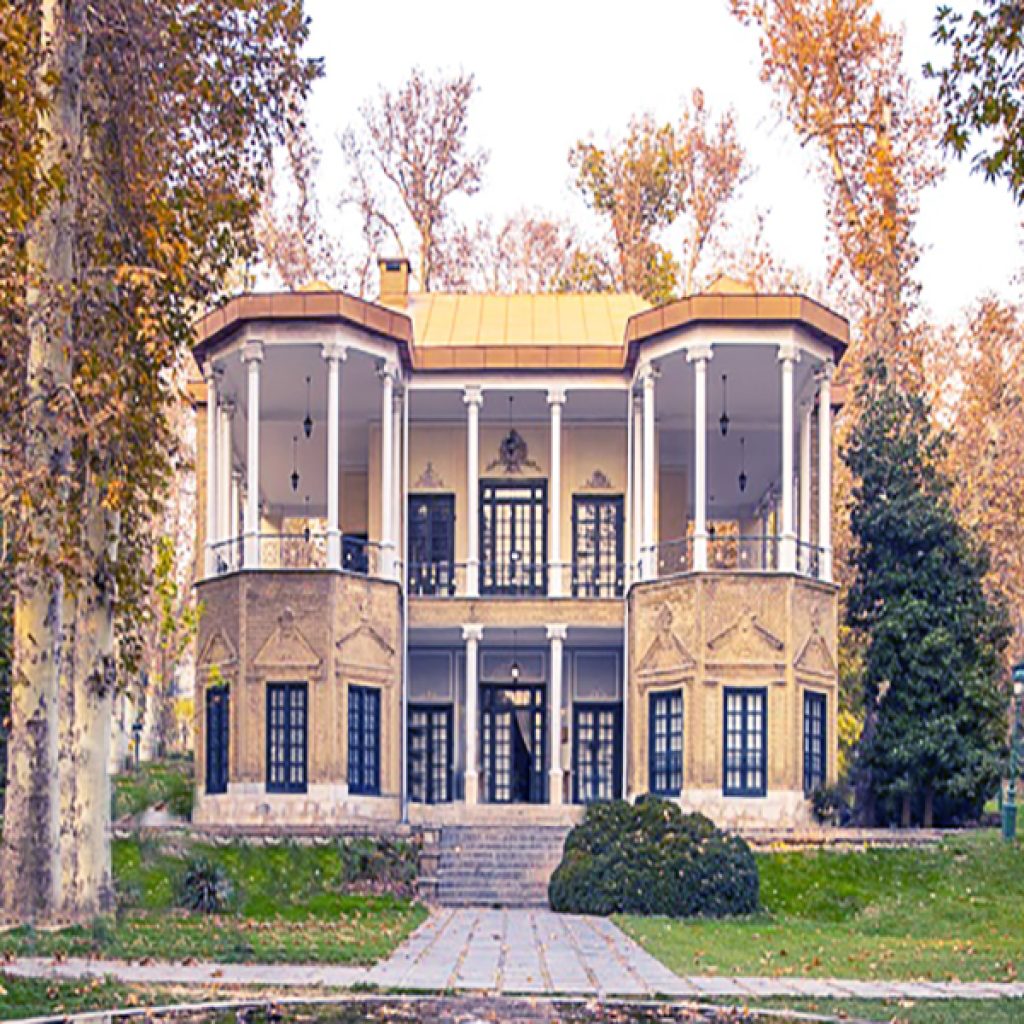
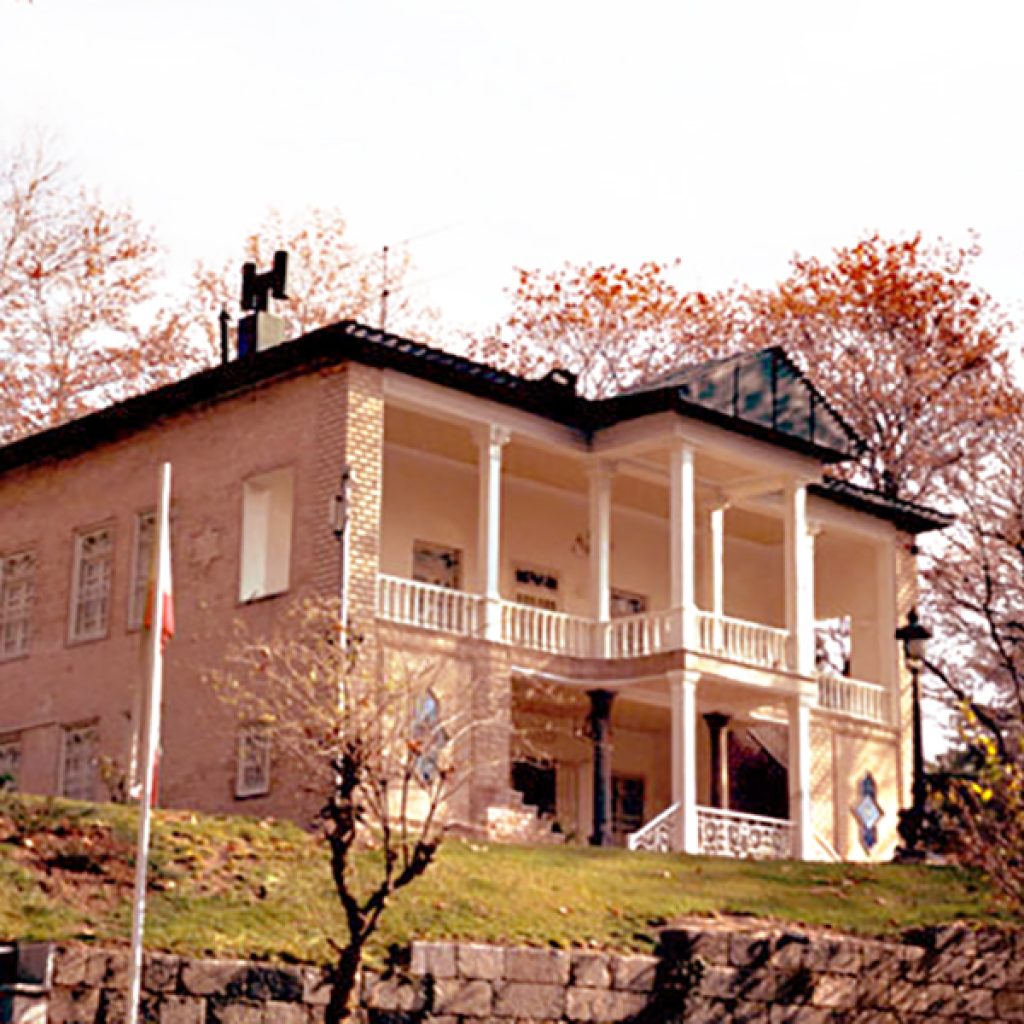
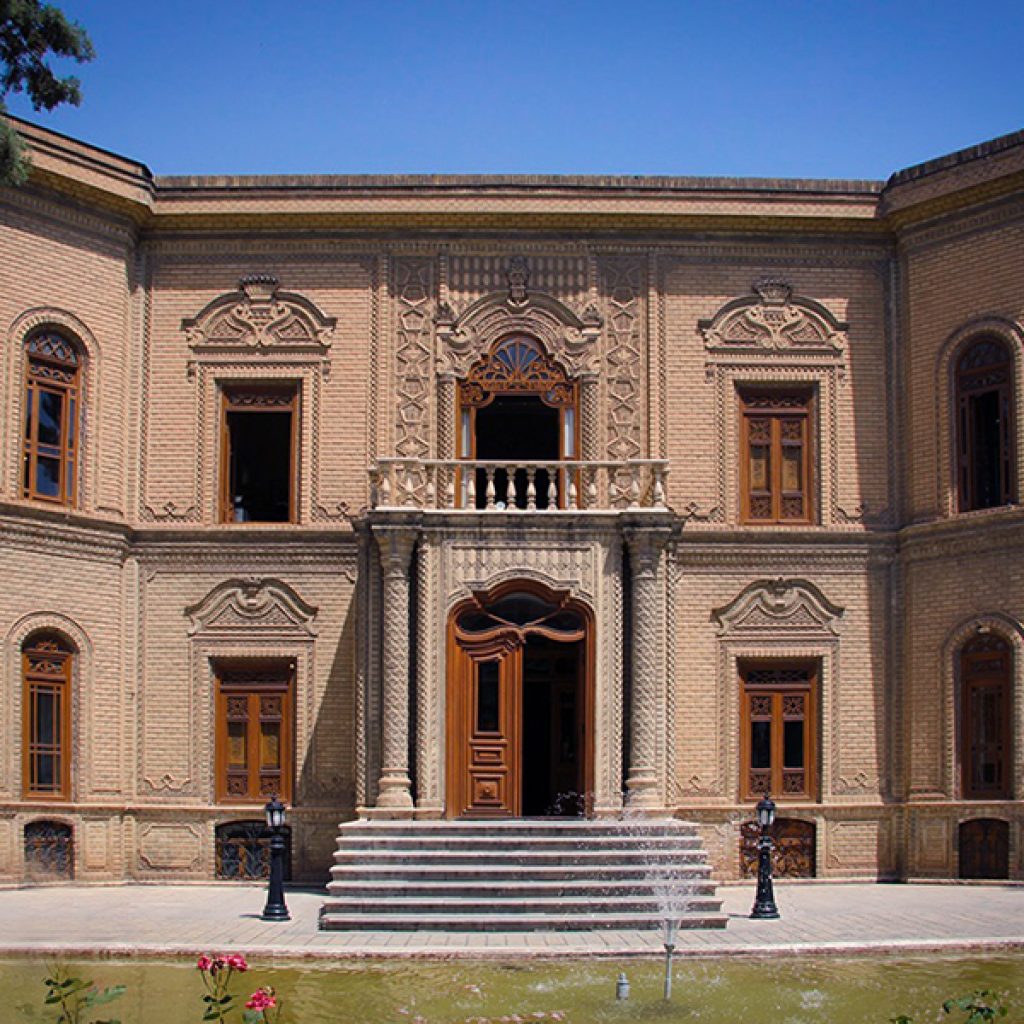
Tehran is home to a remarkable mix of historic monuments, royal palaces, museums, and modern landmarks that reflect different periods of Iran’s history. From the Qajar-era Golestan Palace to the Pahlavi-era palace complexes, the city’s attractions offer visitors a glimpse into Iran’s political, artistic, and cultural heritage.
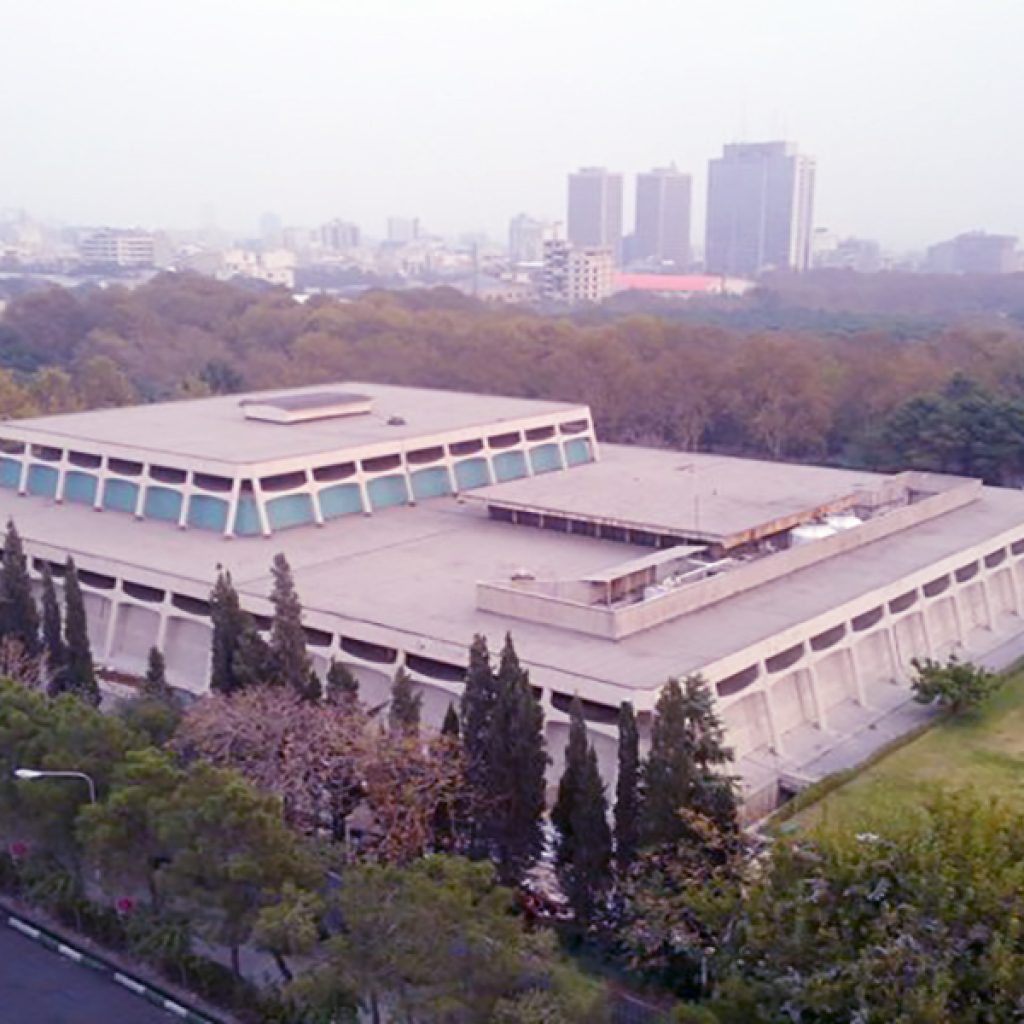
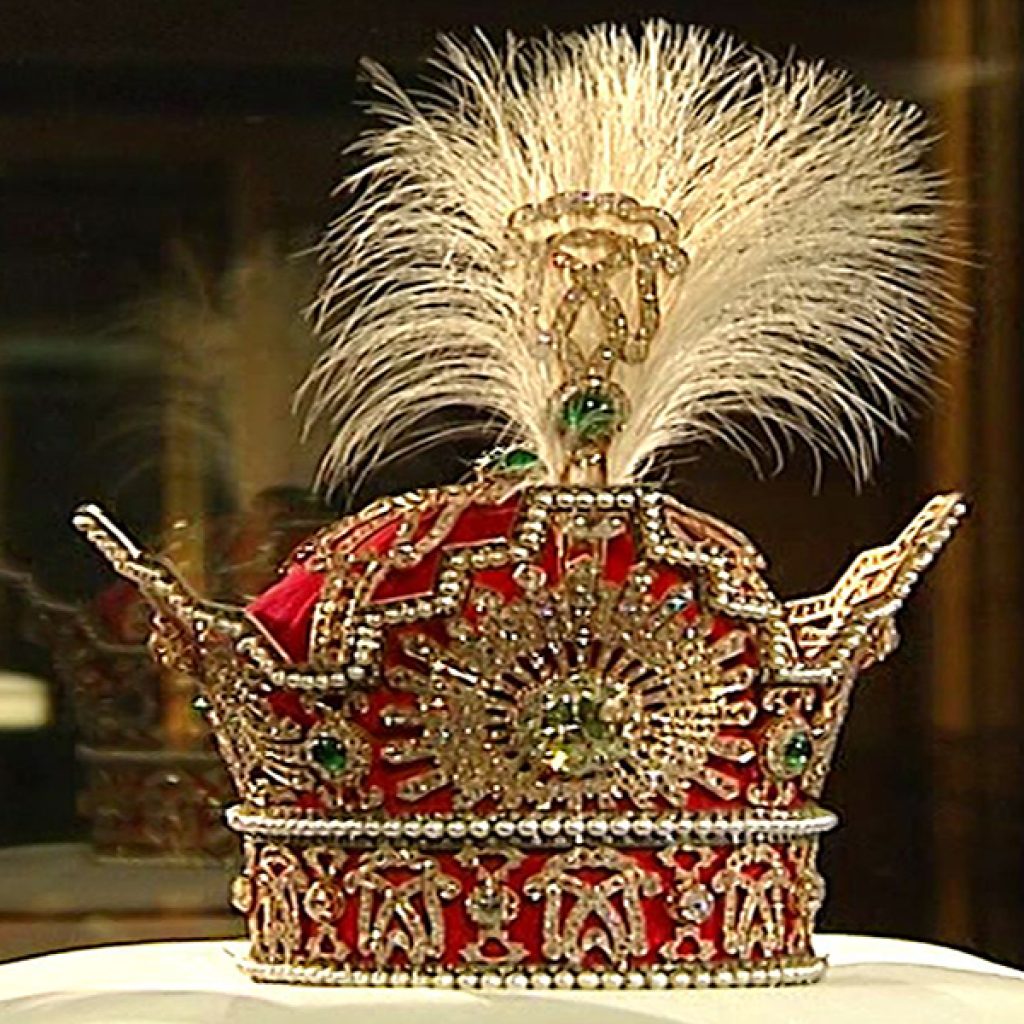
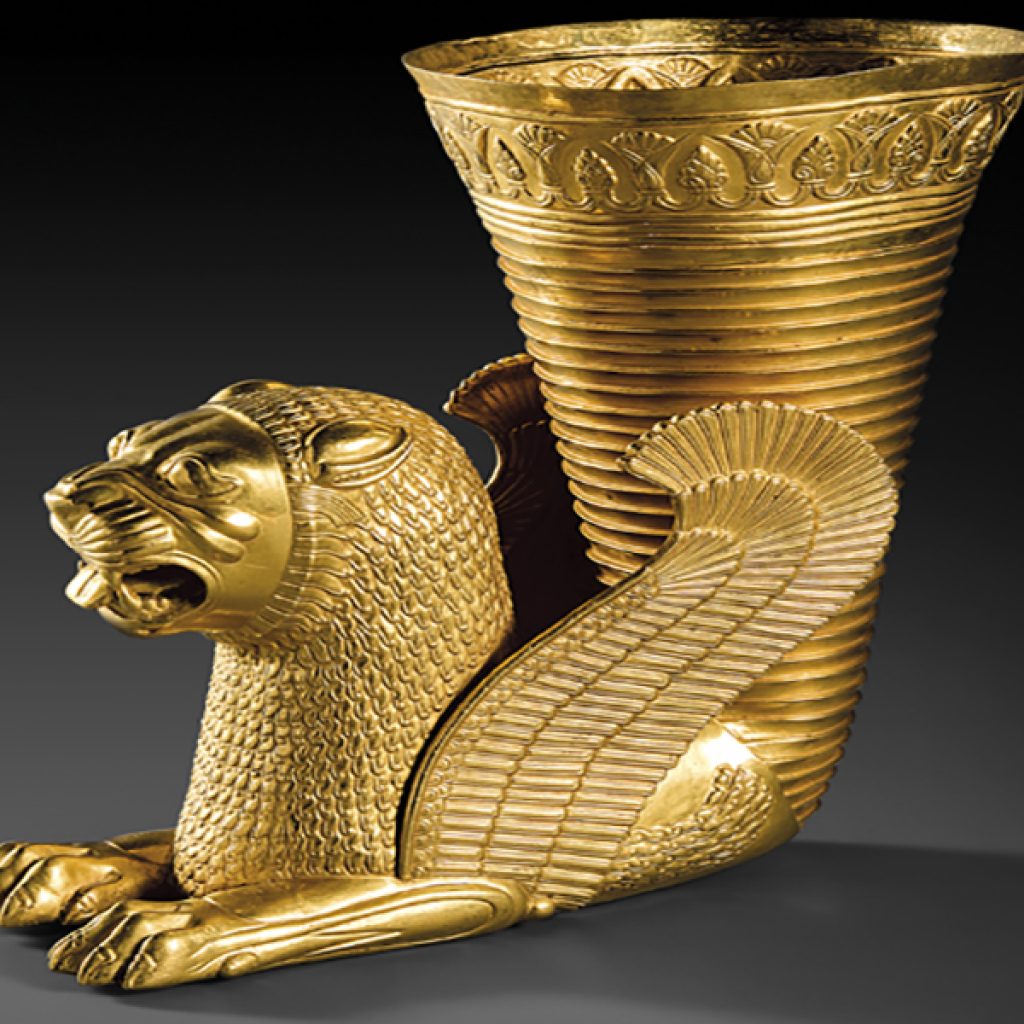
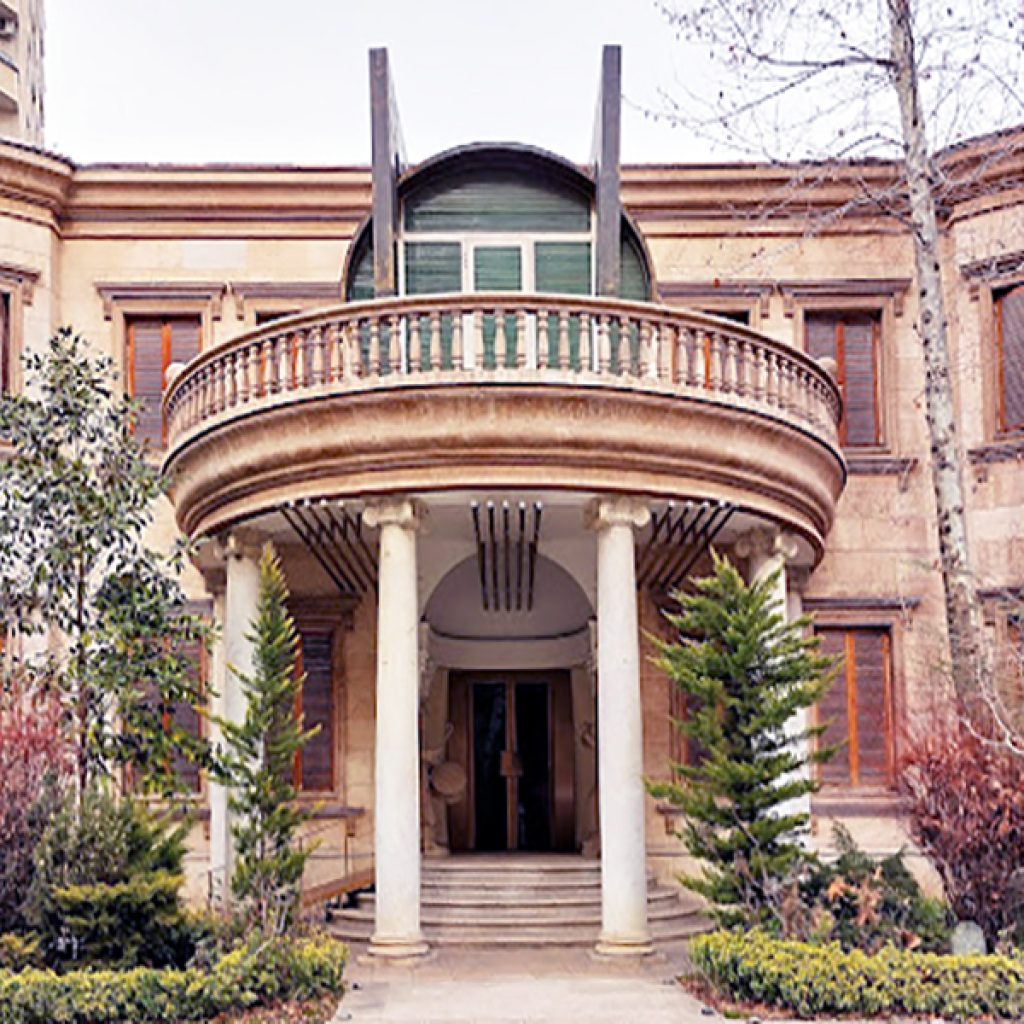
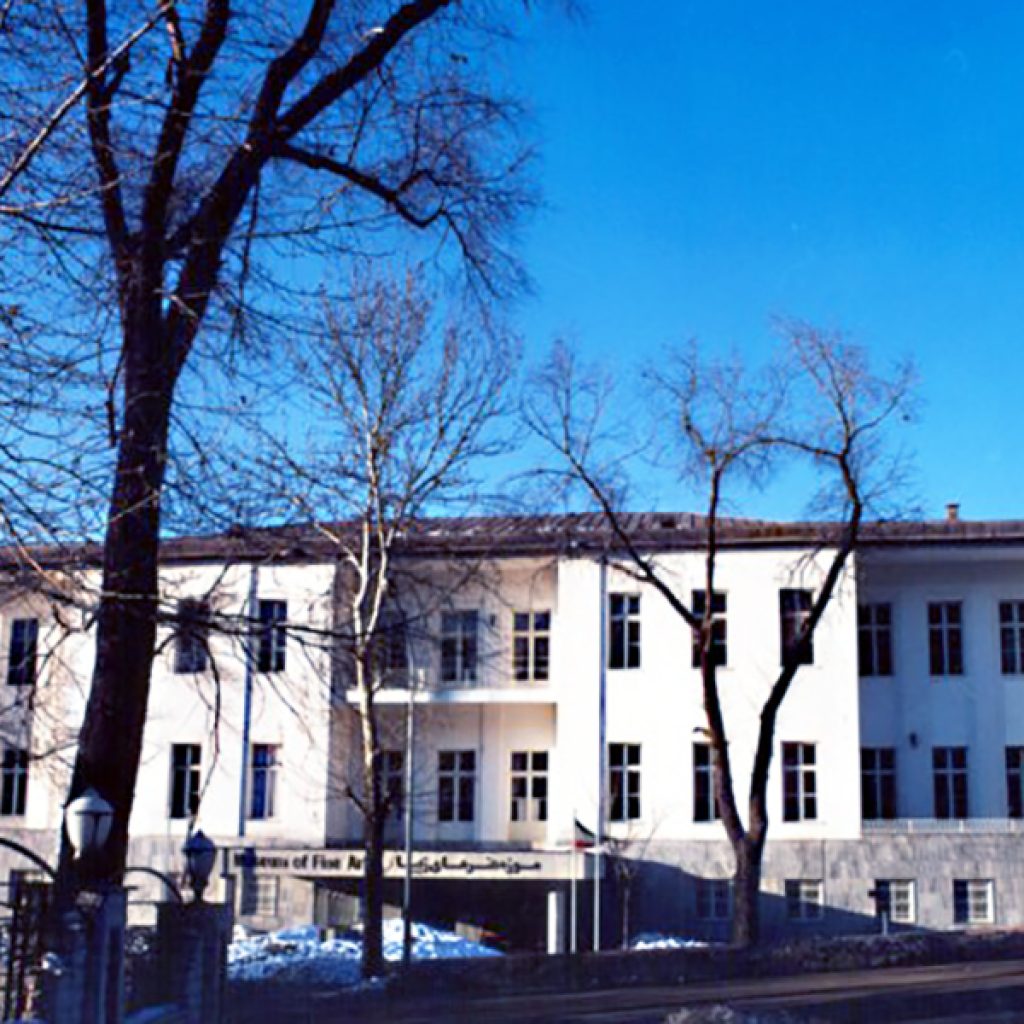
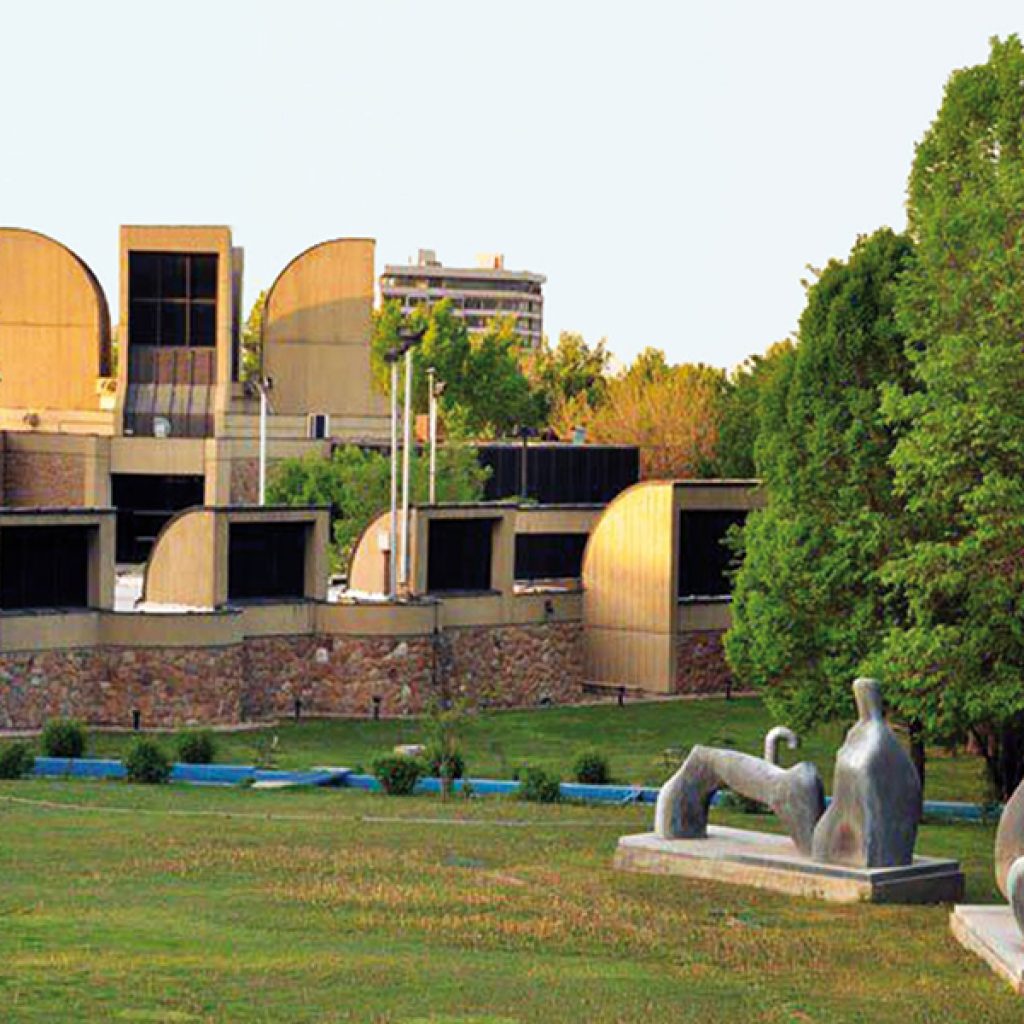
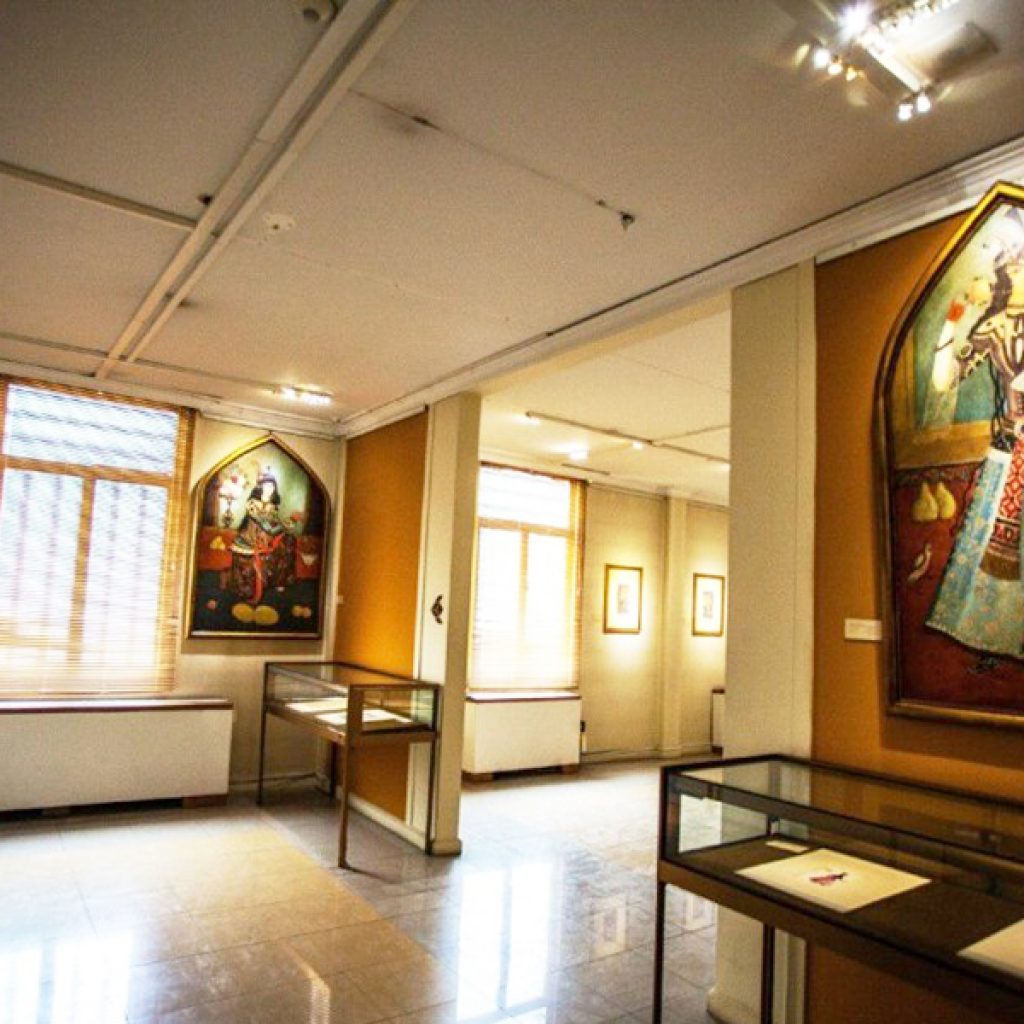
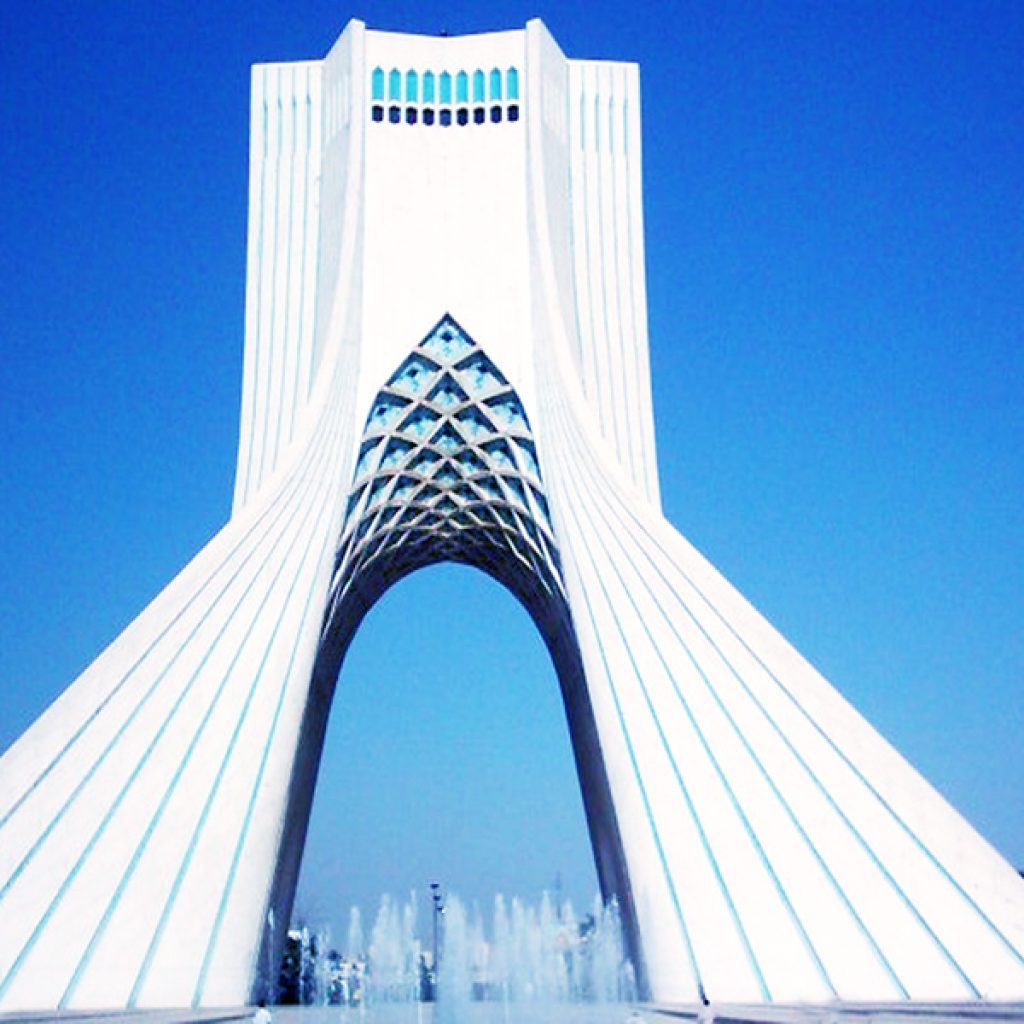
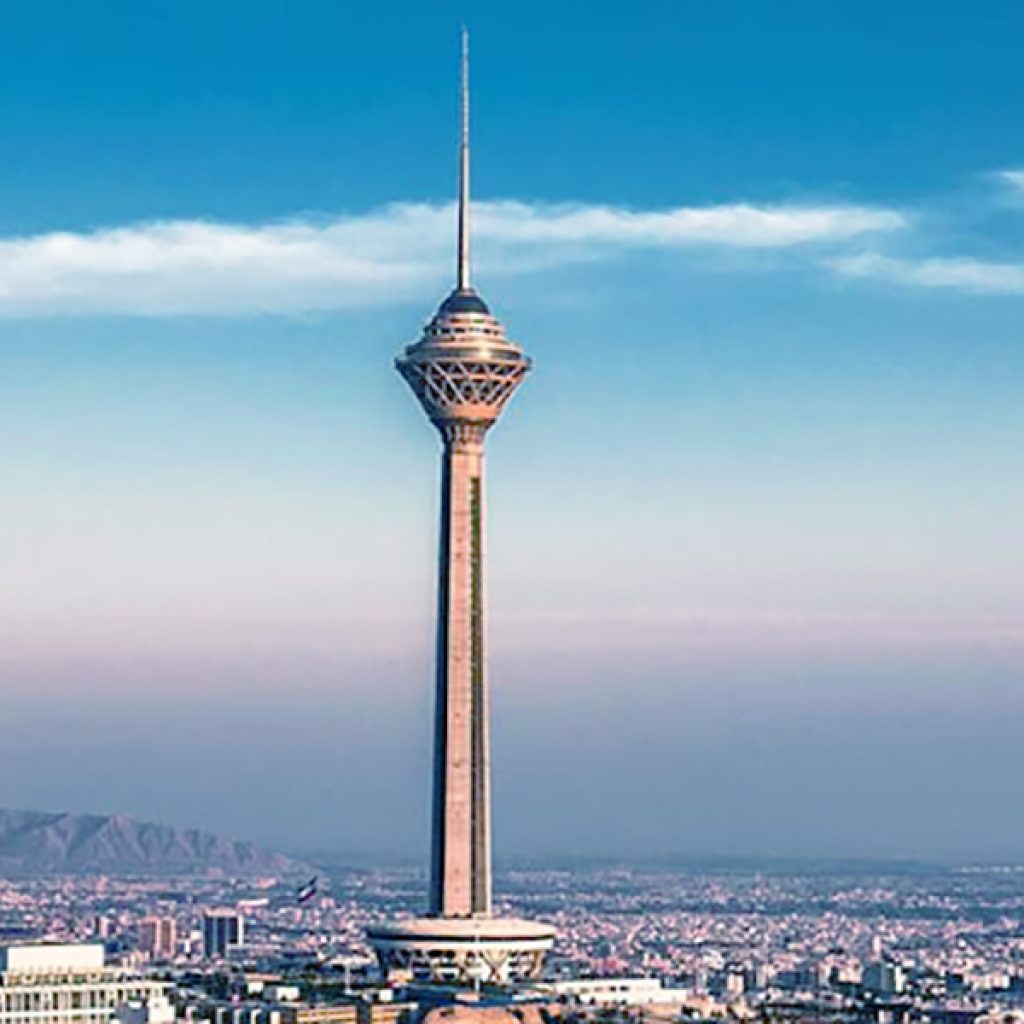
Among Tehran’s best-known landmarks are Golestan Palace, Saadabad Historical-Cultural Complex, Niavaran Palace Complex, Azadi Tower, and Milad Tower. The city is also home to major museums, including the National Museum of Iran, the Carpet Museum of Iran, and the Treasury of National Jewels, where visitors can explore important collections connected to the country’s history and culture.
Tehran’s historic bazaars and traditional neighborhoods provide another perspective on the city’s heritage. The Grand Bazaar and Tajrish Bazaar remain important places to experience local commerce, food, crafts, and everyday urban life.
Experience Local Cuisine
Tehran offers a diverse culinary experience, combining traditional Iranian dishes with modern cafés and restaurants. Visitors can try popular dishes such as succulent kebabs, Ghormeh Sabzi, Fesenjan, and other traditional stews, along with fresh Iranian breads and a variety of sweets and desserts.
The city’s restaurants and cafés provide opportunities to experience Persian hospitality while discovering both classic Iranian flavors and contemporary interpretations of traditional cuisine.
Old Bazaars
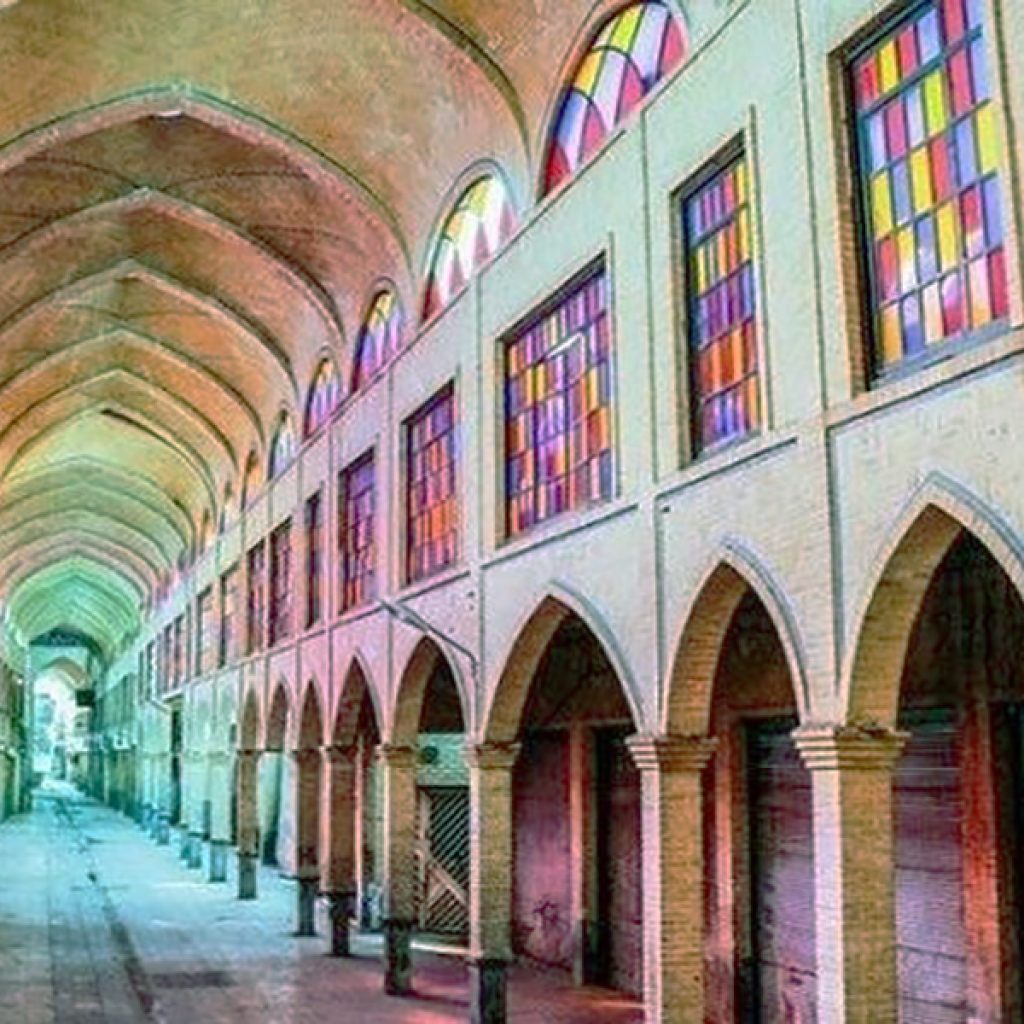
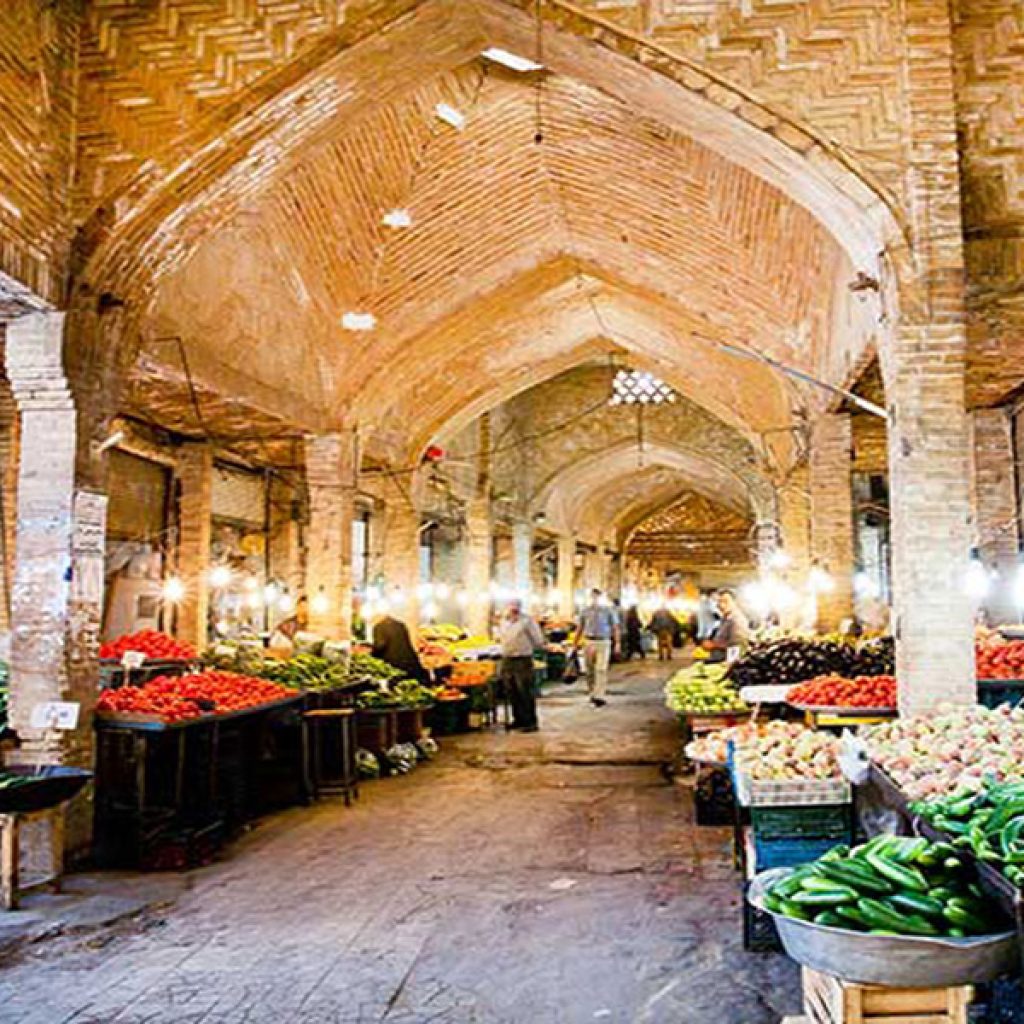
Tehran’s traditional bazaars offer visitors a glimpse into the city’s commercial history and everyday life. The Grand Bazaar of Tehran is one of the city’s most important historic markets, with a complex network of passages, shops, and traditional commercial spaces. Its origins go back to the Safavid period, while its importance and development grew significantly during the Qajar era.
Visitors can explore winding passages filled with shops selling spices, nuts, textiles, clothing, jewelry, handicrafts, and other goods. The bazaar is also known for its traditional food, including popular Iranian dishes such as Dizi and kebabs.
Tajrish Bazaar in northern Tehran offers a different atmosphere, combining a traditional market with the historic and cultural character of the Tajrish neighborhood. Together, Tehran’s bazaars provide an opportunity to experience local commerce, food, crafts, and everyday urban life beyond the city’s palaces and museums.
Plan Your Visit
Tehran is a large and diverse city, so planning your visit around different areas can help you make the most of your time. The city’s major palaces and museums are spread across central and northern Tehran, while traditional markets such as the Grand Bazaar and Tajrish Bazaar offer a different perspective on local life and culture.
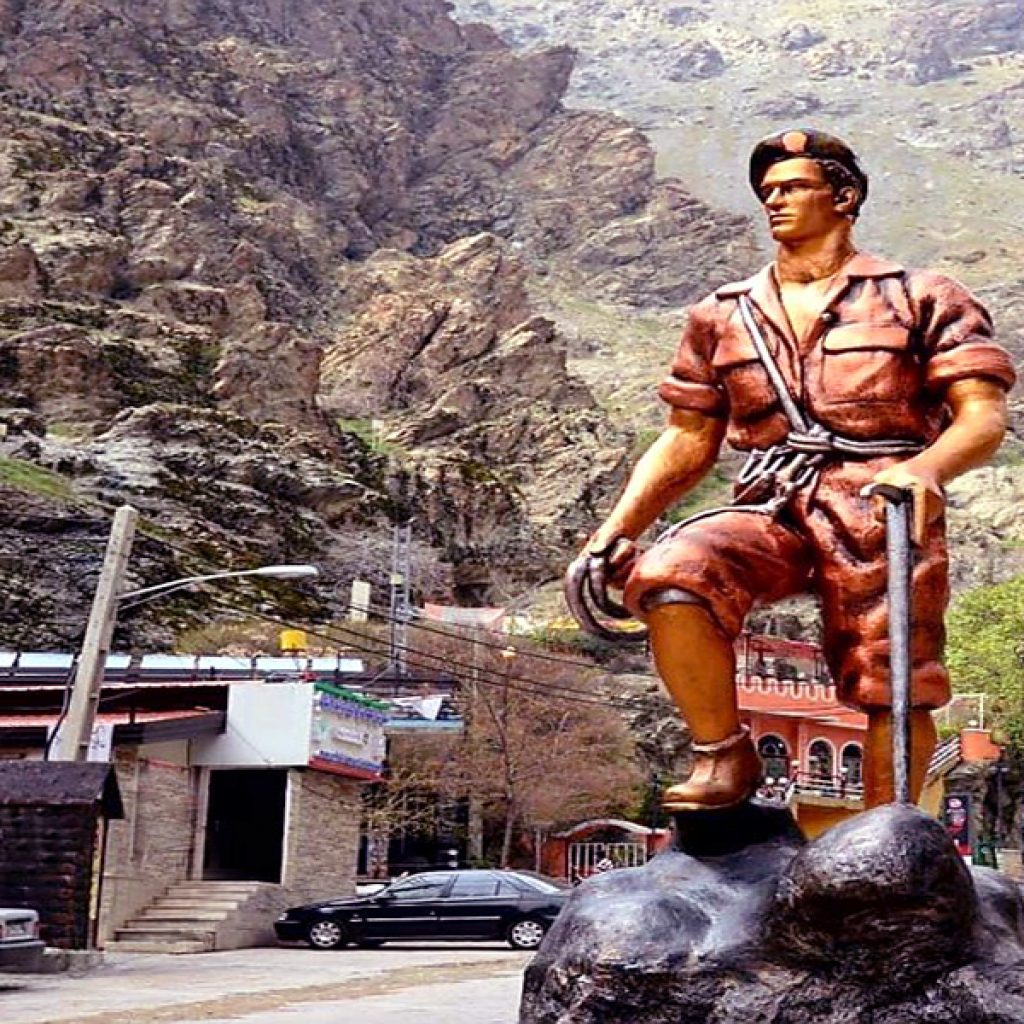
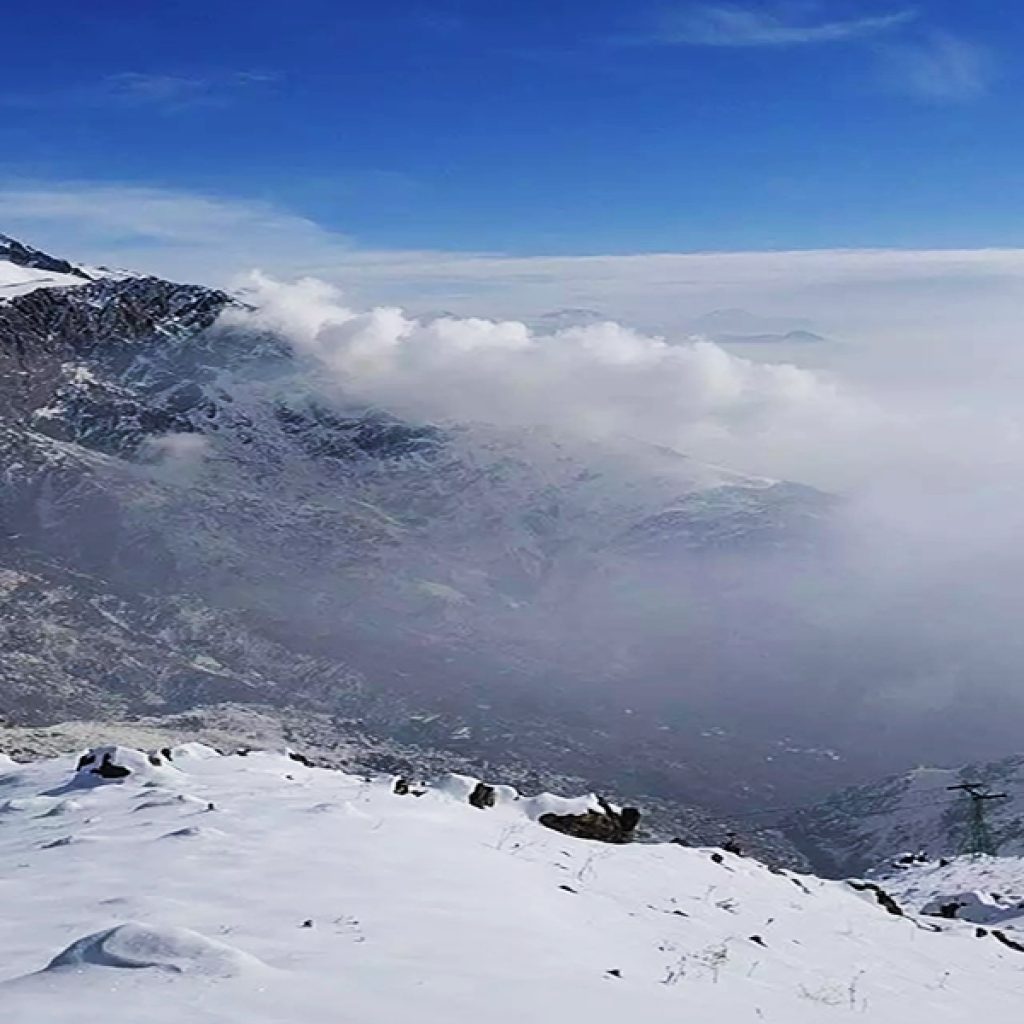
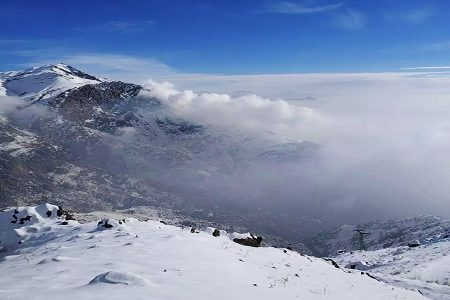
Spring and autumn are generally comfortable seasons for exploring Tehran, with milder weather than the hottest and coldest parts of the year. Tehran’s location along the southern slopes of the Alborz Mountains also means that the northern parts of the city tend to have a cooler climate than the south.
For a first visit, consider combining historical attractions and museums with one of Tehran’s traditional bazaars and a visit to the northern parts of the city. If you have more time, the Alborz foothills also offer opportunities to experience a different side of the capital and its surroundings.
Spring and autumn are generally comfortable seasons for exploring Tehran, with milder weather than the hottest and coldest parts of the year. Tehran’s location along the southern slopes of the Alborz Mountains also means that the northern parts of the city tend to have a cooler climate than the south.
For a first visit, consider combining historical attractions and museums with one of Tehran’s traditional bazaars and a visit to the northern parts of the city. If you have more time, the Alborz foothills also offer opportunities to experience a different side of the capital and its surroundings.